

If you’ve ever wondered what keeps air moving smoothly through your home, the answer lives inside your ductwork. A plenum is one of those behind-the-scenes components that makes your heating and cooling work properly. Most homeowners never think about it until something goes wrong with their comfort. We’ve worked on countless systems where a faulty one caused major issues throughout the house. Hot rooms, cold spots, and high energy bills often trace back to this one part. Today, we’re breaking down everything you need to know about this essential component.
What Is a Plenum Box and How Does It Work?
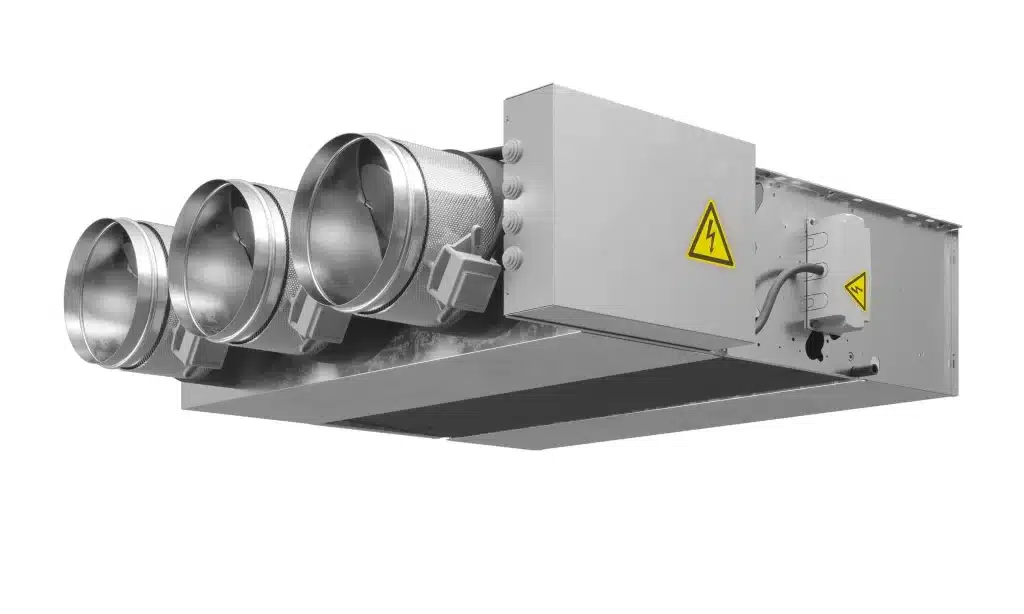
A plenum box is basically an air distribution hub in your heating and cooling setup. Think of it as a central meeting point where air collects before traveling anywhere else. It connects directly to your furnace or air handler unit. From there, conditioned air gets pushed out to every room through the connected ductwork.
We’ve opened up hundreds of these boxes throughout our careers. They’re usually made of sheet metal and sit right beside your main unit. Some are installed in attics while others live in basements or crawl spaces. The plenum takes all that heated or cooled air and sends it exactly where needed. Without this component, you’d have no way to distribute air evenly throughout your space. The construction quality really matters too. A well-built plenum has tight seams and proper insulation around it. This prevents energy loss and keeps your system running efficiently all year long.
The Supply Plenum and Its Role in Your HVAC System
The supply side sits on the output of your furnace or air handler. Its job is pretty straightforward but incredibly important for your comfort. It collects all the conditioned air and feeds it into your supply ducts. Those ducts then carry that air to vents throughout every room in your home.
We always check this component first when diagnosing airflow problems for customers. If the plenum is damaged or poorly sealed, you lose efficiency fast. Air leaks here mean your system works much harder to maintain temperature. That translates directly to higher energy bills showing up each month. You’ll also notice uneven heating or cooling in different rooms throughout your house. Some spaces feel perfect while others never quite reach the right temperature. Often, the supply side is the hidden culprit behind these complaints. Getting it properly sealed makes a huge difference.
Understanding the Return Plenum Box
On the flip side, you have the return plenum handling the other half of the equation. This one pulls air back from your living spaces through return vents in walls or ceilings. It funnels all that used air back to your system for reconditioning. The air then gets filtered, heated or cooled, and sent out again.
A properly sized return component keeps everything balanced in your home perfectly. We’ve seen plenty of houses where this part was undersized for the system installed. This creates negative pressure that makes interior doors slam shut randomly. It also puts extra strain on your blower motor over time. Getting this component right matters more than most homeowners realize initially. Poor return airflow affects your entire system’s performance and overall lifespan significantly.
Different Types of Plenum in HVAC Installations
Not all plenums look the same or serve identical purposes. The design depends on your system layout and available space. Here are the most common types we install and service:
- Box style: Standard rectangular shape that fits most traditional setups
- Extended design: Longer configuration for homes with spread-out ductwork
- Reducing style: Tapers down gradually to maintain proper air pressure
- Custom builds: Made specifically to fit unique spaces or special requirements
Each type serves a specific purpose in different home configurations. We evaluate your layout carefully before recommending one option. The goal is always maximum airflow efficiency throughout every room. A well-designed plenum makes your whole system perform better and last longer. Choosing the wrong type leads to comfort problems and wasted energy over time.
When to Install a Plenum or Schedule Repairs
Sometimes you need a brand new unit installed from scratch. This typically happens during system replacements or major home renovations. If you’re upgrading your furnace, the old plenum might not fit the new equipment. We often recommend replacement when the existing one has significant rust or structural damage.
Repairs are actually more common than full replacements in most situations though. Small leaks develop over time at seams and connection points. These gaps waste energy and reduce your comfort levels noticeably throughout the house. A professional inspection can catch these issues before they become expensive problems down the road. We use specialized tools to find leaks that aren’t visible to the naked eye. Thermal imaging and pressure testing reveal hidden problem areas. Early detection saves homeowners significant money on energy costs.
Signs You Need Plenum Box Repair
How do you know when something’s wrong with your air distribution? Watch for these common warning signs that indicate problems. Uneven temperatures between rooms often point to distribution issues somewhere in the system. Strange whistling or whooshing sounds suggest air leaks need attention right away.
Higher than normal energy bills can indicate your plenum is compromised somewhere. Visible rust, holes, or disconnected sections obviously require immediate professional attention. We also recommend inspection if you notice excessive dust accumulating around vents. A damaged plenum often allows unfiltered air to bypass your filtration system entirely. This affects indoor air quality and can trigger allergies or respiratory issues. Don’t ignore these warning signs when they appear.
Request A Service
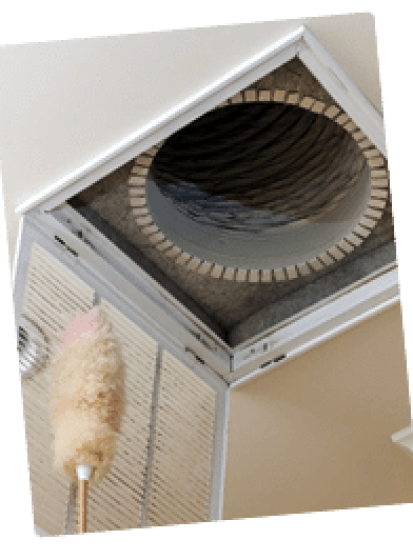
Your air conditioner relies completely on proper airflow to function efficiently all summer long. A well-designed plenum ensures conditioned air reaches every corner of your home evenly. It also helps maintain the right pressure balance throughout your entire duct system without issues.
We’ve upgraded this component for homeowners who struggled with hot spots for years. The difference is always noticeable right away after we complete the installation. Better air distribution means more consistent comfort throughout every single room in the house. It also reduces wear on your equipment since everything runs smoother together as a system. Investing in a quality plenum upfront saves significant money on repairs later down the road. When it comes to your family’s comfort, don’t overlook this essential component hiding in your attic or basement. If you’re experiencing airflow issues, uneven temperatures, or rising energy bills, have a professional inspect your system soon. The right plenum makes all the difference in how well your home stays comfortable year-round.

Frequently Asked Questions
Q: What exactly does a plenum do in my heating and cooling system?
A: The plenum acts as an air distribution chamber that connects to your furnace or air handler. It collects conditioned air and distributes it through your ductwork to every room. Think of it as the central hub that makes sure heated or cooled air travels where it needs to go efficiently throughout your entire home.
Q: How do I know if my plenum needs to be replaced or just repaired?
A: Minor issues like small leaks or loose connections usually just need repairs. However, if you see significant rust, large holes, or structural damage, replacement is often the better choice. We typically recommend replacement when the unit is over 20 years old or when repair costs exceed half the replacement price.
Q: Can a damaged plenum affect my energy bills?
A: Absolutely. A leaky or poorly sealed unit allows conditioned air to escape before reaching your rooms. Your system then works overtime to compensate for the lost air. We’ve seen homeowners reduce their monthly bills by 15-25% simply by sealing or replacing a damaged air distribution chamber.
Q: How long does a typical plenum last before needing replacement?
A: With proper maintenance, most last between 15 to 25 years. The lifespan depends on the material quality, installation workmanship, and environmental factors like humidity. Regular inspections help catch problems early and extend the life of this component significantly.
Q: Is it possible to install a plenum myself as a DIY project?
A: We strongly advise against it. Proper installation requires precise measurements, sheet metal work, and understanding of airflow dynamics. Incorrect installation leads to efficiency problems, comfort issues, and potential system damage. The cost of professional installation is worth the peace of mind and guaranteed results.
Q: How often should I have my ductwork and air distribution system inspected?
A: We recommend professional inspections every 3 to 5 years for most homes. If you notice any warning signs like uneven temperatures, strange noises, or rising energy bills, schedule an inspection sooner. Homes with older systems or those in humid climates may benefit from more frequent checkups.