

Most people think about pollution as an outdoor problem. Smog, car exhaust, factory smoke. But here’s something that might surprise you. The air inside your home can actually be worse than outside. I’ve spent years helping homeowners understand their indoor air quality. Trust me, once you know what’s floating around your living space, you’ll want to make changes. The good news? Improving your indoor air quality isn’t complicated. Small changes can make a big difference for you and your family.
What Is Indoor Air Quality and Why Does It Matter?
Indoor air quality, or IAQ, measures how clean and healthy the air is inside buildings. This includes your home, office, and anywhere you spend time indoors. We spend roughly 90% of our lives inside. That means the air we breathe at home matters a lot.
When your indoor air quality is poor, you’re breathing in harmful particles constantly. These can build up over time and affect your wellbeing. I’ve seen families struggle with allergies for years. Then they address their IAQ and suddenly feel better. Good indoor air quality means fewer irritants, less dust, and cleaner breathing for everyone in your household.
Common Sources of Indoor Air Pollution
You might be shocked by how many things affect indoor air quality in your home. Everyday activities create pollution without you even realizing it. Cooking releases particles and gases into the air. Cleaning products add chemicals to your breathing space. Even new furniture can release harmful compounds for months.
Other common sources of indoor air pollution include pet dander, dust mites, and mold spores. Your HVAC system can circulate these throughout your entire home. I always tell homeowners to think about what they bring inside. Candles, air fresheners, and certain paints all contribute to the problem.
Indoor Air Pollutants You Should Know About
Let’s break down the specific indoor air pollutants that cause the most problems. Understanding these helps you target your cleanup efforts effectively.
Here are the main culprits affecting your indoor air quality:
- Dust and dust mites that collect in carpets and bedding
- Volatile organic compounds (VOCs) from paints and cleaners
- Mold and mildew spores from damp areas
- Pet dander and hair particles
- Carbon monoxide from gas appliances
Each of these requires different solutions. Knowing your enemy is the first step to winning this battle.
Health Effects of Poor Air Quality in Your Home
Poor indoor air quality doesn’t just cause minor annoyances. The health effects can be serious and long-lasting. Short-term exposure leads to headaches, fatigue, and irritated eyes. You might feel like you have a constant cold that never goes away.
Long-term exposure is where things get really concerning. Respiratory problems, heart disease, and even certain cancers have links to poor IAQ. Children and elderly family members face higher risks. Their bodies are more sensitive to airborne pollutants. I’ve worked with many families who didn’t connect their health issues to their home’s air until we tested it.
DIY Ways to Improve Indoor Air Quality
The easiest way to improve your indoor air quality is starting with simple habits. Open windows when weather permits. This brings fresh air in and pushes stale one out. Vacuum regularly using a machine with a HEPA filter. This captures tiny particles instead of just moving them around.
Keep humidity levels between 30-50% in your home. Mold loves moisture, so controlling dampness prevents growth. Change your HVAC filters monthly during heavy use seasons. I can’t stress this enough. A dirty filter just recirculates the same bad air over and over again.
Using an Air Purifier for Better Air Cleaning
Air cleaning devices can significantly boost your indoor air quality when used correctly. A quality air purifier removes particles, allergens, and some gases from your air. Place them in rooms where you spend the most time, like bedrooms and living areas.
Look for purifiers with true HEPA filters for best results. These capture 99.97% of particles down to 0.3 microns. That’s incredibly small. Running your air purifier continuously gives you the best protection against indoor pollutants.
Simple Steps to Improve Ventilation at Home
Good ventilation is crucial for maintaining healthy indoor air quality. Your home needs fresh air exchange to prevent pollutant buildup. Use exhaust fans in kitchens and bathrooms during and after use. These remove moisture and cooking particles at the source.
Consider how air flows through your home. Sometimes rearranging furniture improves circulation dramatically. Keep air vents unblocked by furniture or curtains. When cooking, always use your range hood on high. These small actions improve ventilation without major investments.
Request A Service
Sometimes DIY efforts aren’t enough to fix serious IAQ problems. That’s when professionals step in with specialized solutions. HVAC technicians can install whole-home air filtration systems. These treat every room simultaneously through your existing ductwork.
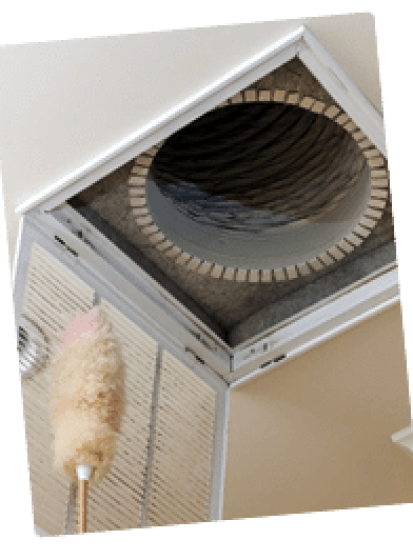
Duct cleaning services remove years of accumulated debris from your system. I’ve seen ducts packed with dust, pet hair, and even mold. Professional air quality testing identifies specific pollutants in your home. This information helps target solutions precisely. UV light systems installed in your HVAC kill biological contaminants continuously.
Take Action to Improve Air Quality in Your Home Today
Your indoor air quality affects everything from sleep quality to daily energy levels. Now you understand what IAQ is and why it matters so much. You know the common pollution sources and their health effects. Most importantly, you have practical ways to improve your situation.
Start with the simple steps today. Open some windows and check your HVAC filter. Consider adding an air purifier to your bedroom. If problems persist, don’t hesitate to call professionals for testing and solutions. Your lungs will thank you. Your family deserves clean, healthy air in their own home. Take that first step toward better indoor air quality right now.
Frequently Asked Questions
Q: How do I know if my indoor air quality is poor?
Common signs include persistent allergies, frequent headaches, and stuffy rooms. You might notice musty odors or see visible dust accumulation quickly after cleaning. Family members with asthma may experience more symptoms at home. Professional testing provides exact measurements of pollutants. Many hardware stores sell basic IAQ monitors for home use too.
Q: How often should I change my HVAC air filter?
Most filters need changing every 30-90 days depending on type and usage. Homes with pets or allergies benefit from monthly changes. Check your filter regularly by holding it up to light. If you can’t see through it, replace it immediately. Higher quality filters last longer but cost more upfront.
Q: Can houseplants really improve indoor air quality?
Plants do absorb some pollutants and produce oxygen naturally. However, their effect is minimal in real-world conditions. You’d need hundreds of plants to noticeably change your air quality. They add humidity and aesthetic value though. Don’t rely on plants alone for cleaning needs.
Q: What's the difference between air purifiers and air cleaners?
These terms are often used interchangeably in marketing. True purifiers use HEPA filters to capture particles physically. Some units add activated carbon for gas and odor removal. Air cleaners might use different technologies like ionization. Always check specifications rather than relying on product names.
Q: Is outdoor air always better than indoor air?
Not necessarily. Outdoor air quality varies by location and season. Cities have more vehicle emissions and industrial pollution. Rural areas may have agricultural chemicals or pollen. The goal is balancing fresh intake with filtration. Check local reports before opening windows on high-pollution days.
Q: How much does professional air quality testing cost?
Basic professional testing typically ranges from $200-$500 for residential homes. Comprehensive testing including mold, radon, and VOCs costs $400-$800. Some HVAC companies offer free assessments hoping to sell services. DIY test kits cost $50-$150 but provide less detailed results. Consider testing if health symptoms persist despite DIY improvements.