

Your dryer works hard every day, but when lint starts blocking the exhaust path, serious problems develop fast. Most people don’t realize that thousands of house fires occur each year due to blocked ventilation systems. We see this happen way too often in homes just like yours. The good news is that understanding these risks and taking action can protect your family. Let’s talk about why keeping your dryer vent hose clean matters so much and what you can do about it right now.
The Fire Risk of a Blocked Dryer Vent Hose
Here’s something that keeps us up at night. When lint accumulates inside your dryer vent hose, it creates the perfect conditions for a fire. Lint is highly flammable, and your dryer produces a lot of heat. Put those two things together in a restricted space, and you’ve got a recipe for disaster.
We respond to emergency calls all the time where homeowners didn’t know their dryer vent hose was sitting on a potential fire hazard. The heat can’t escape properly when the vent is blocked. Temperatures rise way beyond safe levels. That trapped heat ignites the built-up lint, and flames spread through your walls before you even notice. It’s scary stuff, but it’s completely preventable with regular attention to your dryer vent hose.
How Lint Builds Up in Your Vent System
Every time you dry clothes, tiny fabric fibers get pulled through the system. Your lint trap catches most of it, but not everything. Those sneaky fibers make their way past the filter and start coating the inside of your ducting. Over months and years, this creates a thick layer that restricts airflow through your dryer vent hose.
Different fabrics shed at different rates. Towels and blankets are the worst offenders. They release tons of fibers during each cycle. Even if you clean your lint screen religiously, some material still gets through. That’s just how these machines work. The flexible aluminum or semi-rigid metal duct you have installed becomes narrower as lint sticks to the walls, making your dryer vent hose less efficient.
Warning Signs Your Dryer Exhaust Needs Attention
Your machine tells you when something’s wrong if you know what to look for. Clothes taking forever to dry is the most enormous red flag. If you’re running two or three cycles for one load, that’s a problem. Your system is working overtime because air can’t flow properly through the blocked passages in your dryer vent hose.
Another telltale sign is excess heat in your laundry room. Touch the top of your machine during a cycle. If it’s too hot to keep your hand there, you’ve got ventilation issues. The exterior wall vent cover should blow out warm, moist air. If you don’t feel much coming out, that confirms your dryer vent hose has restricted flow somewhere in the line.
Strange Smells and Overheating Issues
Pay attention to unusual odors when your dryer runs. A burning smell means lint is getting way too hot inside the duct. Don’t ignore this warning. Turn off your machine immediately and call someone to inspect the entire system, including your dryer vent hose. We’ve seen situations where people kept using their dryers despite burning smells, and it ended badly.
Your dryer shouldn’t feel scorching hot to the touch during normal operation. Modern machines have safety sensors that shut things down if temperatures get extreme. But older models might keep running even when conditions become unsafe. If your machine shuts off mid-cycle repeatedly, the thermal fuse is protecting you from overheating. That’s your cue to get professional help and replace your dryer vent hose before starting another load.
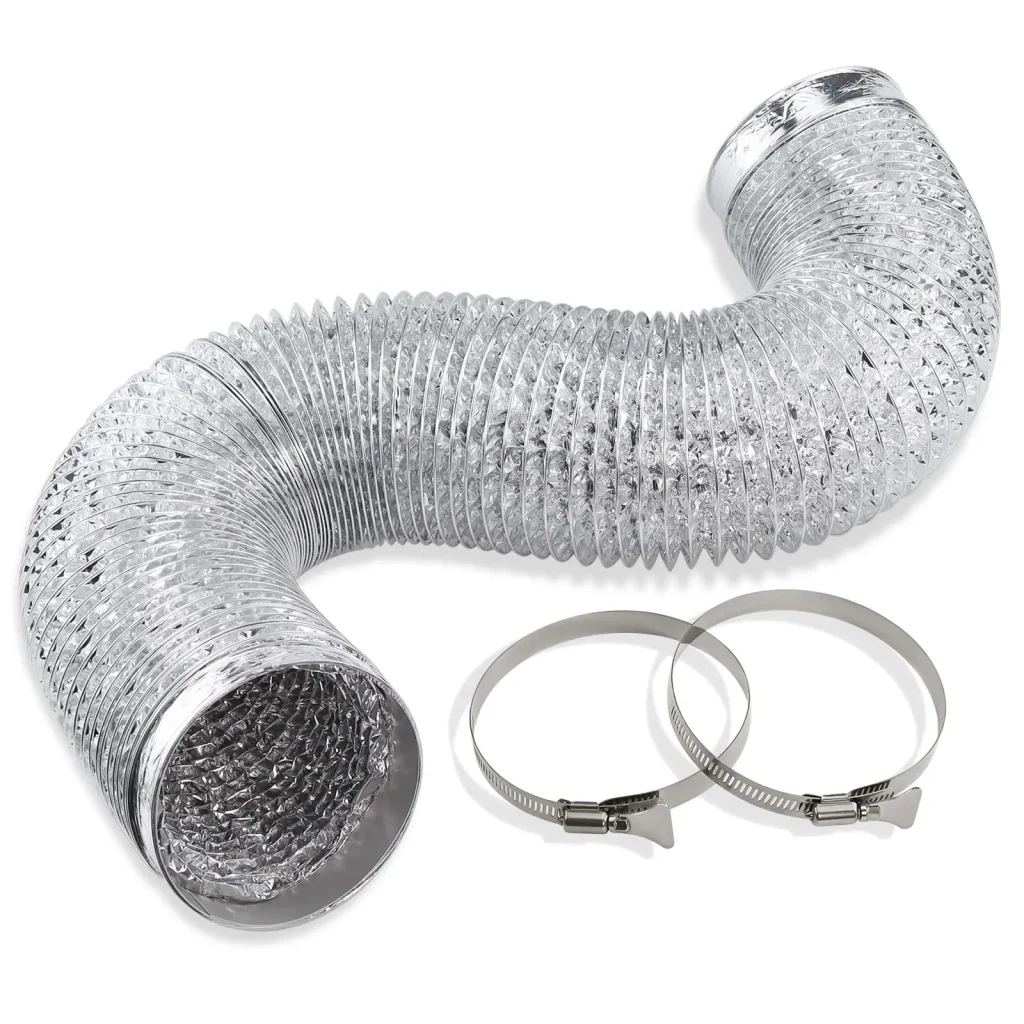
Choosing the Right Dryer Vent Hose Material
Not all ducting is created equal, and this matters more than you’d think. We always recommend semi-rigid metal duct or heavy-duty aluminum options for installations. These materials resist crushing and maintain their shape over time. They also handle high temperatures better than cheaper alternatives when you’re selecting a dryer vent hose.
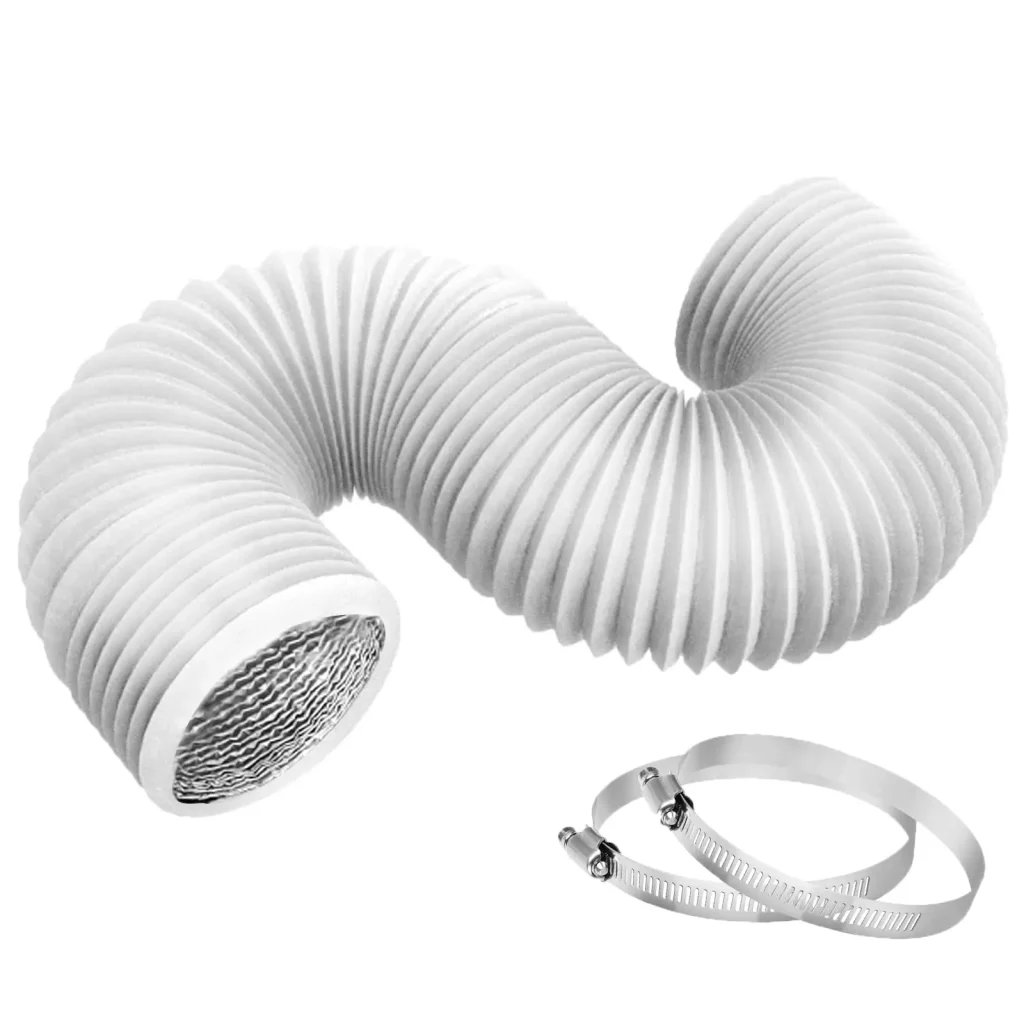
Avoid white plastic or vinyl ducting altogether. These materials can melt or catch fire under normal operating temperatures. Many building codes actually ban them now because of safety concerns. Flexible aluminum dryer hose works for tight spaces, but make sure it’s the heavy-duty kind. The flimsy stuff tears easily and doesn’t last long, leaving your dryer vent hose vulnerable to damage.
- Family members are getting sick more often
- Increased allergy symptoms indoors
- Uneven airflow from different vents
- Higher energy bills without explanation
- Visible mold on vent covers
Semi-Rigid vs Flexible Aluminum Options
Semi-rigid metal duct is our first choice for most installations. It stays smooth inside, which means less lint buildup over time. Air flows better through smooth surfaces than through the ridges you find in flexible duct hose. This design helps your machine run more efficiently and reduces fire risk significantly when you choose the right dryer vent hose.
Flexible aluminum duct has its place, especially when you’re working around obstacles. It bends easily and fits into spaces where rigid options won’t work. Just make sure you’re getting the heavy-duty version with UL listing. Cheap flexible dryer hoses collapse under their own weight and create pockets where lint accumulates. Use hose clamps at every connection point to prevent leaks and maintain proper airflow throughout the system.
Professional Duct Cleaning Saves Lives
We’re serious about this part. DIY cleaning helps, but professional service gets results you can’t achieve with household tools. Our equipment removes lint buildup from deep inside the ducting that you can’t reach from either end. We use specialized brushes and powerful vacuum systems designed specifically for cleaning your dryer vent hose and the entire exhaust system.
Most experts recommend professional duct cleaning at least once a year. If you do a lot of laundry or have pets, you might need service twice annually. The cost is minimal compared to the value of your home and your family’s safety. We’ve pulled out grocery bags full of lint from systems that looked fine from the outside but had completely clogged dryer vent hose sections.
Proper Installation Prevents Future Problems
Installation quality makes a huge difference in how well your system works. The dryer vent kit you choose should include everything needed for a complete, safe setup. Make sure the path from your machine to the outdoor vent is as short and straight as possible. Every turn and extra foot of length gives lint more places to collect inside your dryer vent hose.
Use metal dryer vent covers on your exterior wall that open easily when air pushes through. These covers should close tightly when the machine isn’t running to keep pests and weather out. Never use duct tape on connections. It dries out and fails over time. Metal hose clamps or foil tape rated for HVAC work are the right choices for secure, lasting connections on your dryer vent hose.
Why 4-Inch Standards Matter
The industry standard is a 4-inch dryer vent for good reason. This size provides enough space for proper airflow while keeping the system manageable. Don’t try to make do with smaller ducting to save money. Reduced diameter means reduced capacity, and your machine will struggle to push air through the restricted opening.
A 4-inch transition hose connects your dryer to the wall vent opening. This short section should be as smooth as possible with minimal bends. Some folks try to stretch a 3-inch or squeeze in a 5-inch setup, but that creates problems. Stick with the 4-inch dryer vent duct that matches your machine’s exhaust port and your wall vent opening for best results.
Request A Service
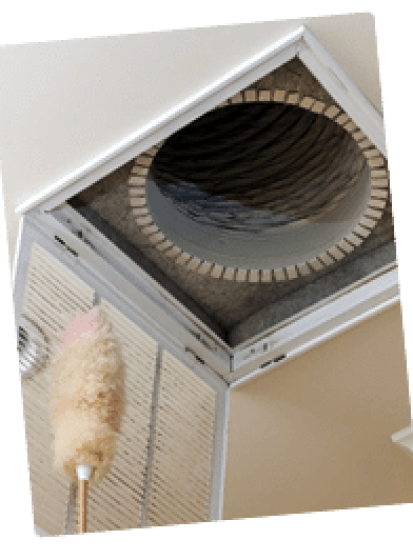
Look, we get it. Nobody wants to add another chore to their list. But taking a few minutes each month to check your system prevents huge problems down the road. Clean that lint screen before every single load. Once a month, pull your machine away from the wall and vacuum behind it. Check that the transition hose stays connected and hasn’t gotten crushed.
Walk outside and look at your vent cover periodically. Make sure it opens when the dryer runs and closes when it’s off. Pull off the cover once or twice a year and peek inside. You’d be amazed at what you might find in there. Birds love to build nests in warm vent openings. Regular checks catch these issues before they turn into emergencies or expensive repairs.
Frequently Asked Questions
Q: How often should I actually clean my dryer vent hose myself between professional cleanings?
A: Clean your lint trap before every load, and vacuum behind your dryer monthly. Check the exterior vent quarterly to ensure it’s opening properly. Pull the transition hose off twice yearly to clean both ends thoroughly. These simple maintenance tasks between annual professional cleanings significantly reduce fire risk and keep your dryer running efficiently for years.
Q: Can I clean my dryer vent hose myself or do I always need a professional?
A: You can handle basic maintenance yourself using a dryer vent cleaning kit from hardware stores. These work well for straightforward, short runs. However, professional service is essential annually because specialists have equipment that reaches deep into long ductwork, removes stubborn buildup, and identifies hidden problems you might miss with standard tools.
Q: What's the maximum length my dryer vent hose should be?
A: Keep your vent run as short as possible, ideally under 25 feet total. Subtract 5 feet for every 90-degree elbow turn. Longer runs reduce airflow efficiency and create more surfaces where lint accumulates. If your current setup exceeds these guidelines, consider relocating your dryer or installing a booster fan to maintain proper airflow through the system.
Q: Why does my dryer still overheat after I cleaned the lint trap?
A: The lint trap only catches 60-70% of fibers. The rest travels through your vent hose, accumulating inside the ductwork. That buildup restricts airflow even when your trap looks clean. You likely need the entire vent system cleaned professionally. Additionally, check that your exterior vent cover isn’t blocked and opens freely during operation.
Q: Is it safe to vent my dryer into my garage or basement?
A: Absolutely not. Dryers must vent directly outdoors through exterior walls. Indoor venting releases moisture that causes mold growth, plus carbon monoxide from gas dryers creates deadly conditions. The lint expelled is a fire hazard indoors. Even “lint-catching” indoor vent kits violate most building codes and create serious health and safety risks for your household.
Q: What should I do immediately if I smell burning while my dryer runs?
A: Stop the dryer immediately and unplug it. Don’t use it again until inspected. The burning smell indicates lint overheating inside your vent system, which can ignite quickly. Call a professional vent cleaning service right away. Meanwhile, check your exterior vent for blockages and ensure nothing’s restricting airflow. This is an emergency requiring immediate attention.