

Does Air Duct Cleaning Remove Mold? What Homeowners Need to Know
February 17, 2026
- By
- David Thompson
- HVAC Systems Specialist
Yes – air duct cleaning can remove mold, but only under specific conditions. I’m David Thompson, HVAC Systems Specialist at Local Air Duct Cleaners, and after years of experience working inside residential HVAC systems, I’ve seen when cleaning solves the problem and when it only scratches the surface. If mold is limited to surface contamination inside metal ductwork, professional cleaning can remove it. If moisture issues or porous materials are involved, deeper remediation is often required. I’ve walked into homes where a musty smell was dismissed for months, only to find visible fungal growth lining supply trunks and insulation. In one case, the homeowner had changed filters regularly but ignored condensation around the coil. The result was contaminated ductwork that required both cleaning and targeted air duct mold removal, not just a basic vacuum service.
What Industry Guidelines Require and How to Follow Them
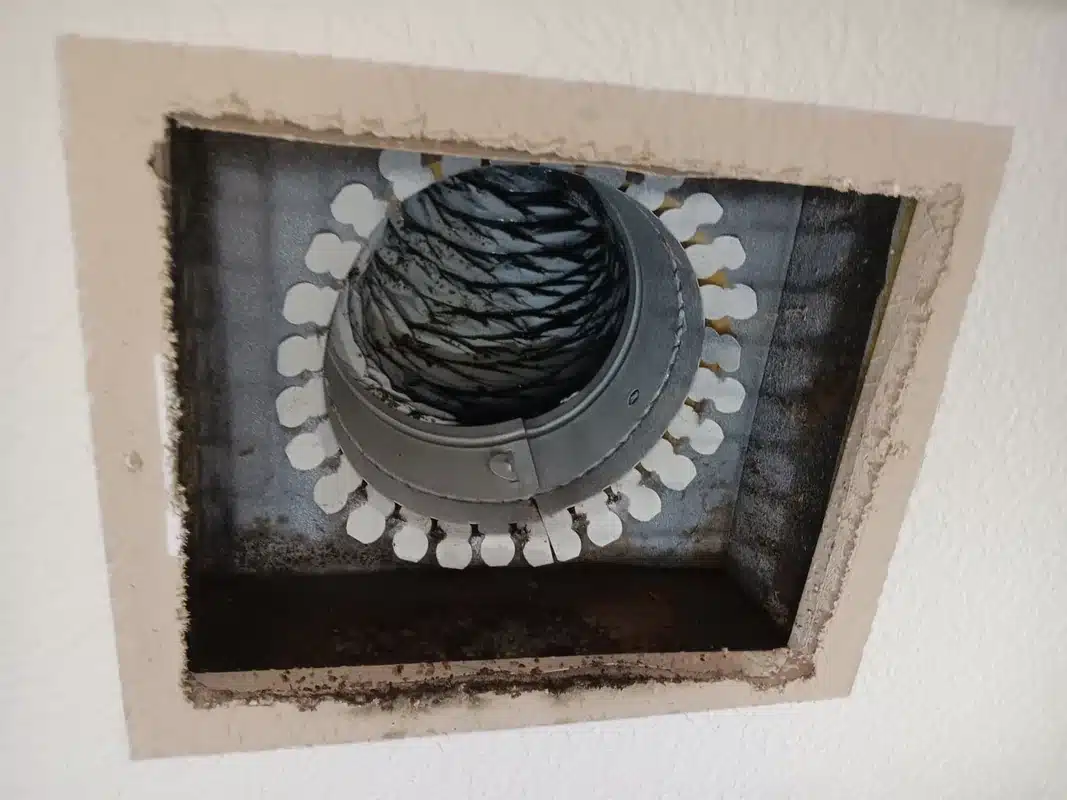
The most important best practice is source removal combined with moisture correction. Cleaning without addressing humidity, condensation, or leaks guarantees recurrence. I follow nationally recognized HVAC and duct-cleaning standards to protect homeowners from incomplete work and liability issues.
- NADCA ACR Standard – Assessment, Cleaning, and Restoration of HVAC Systems (Current Edition) – Requires source removal methods, proper containment, and post-cleaning verification. Non-compliance can lead to failed inspections, poor indoor air quality, and potential insurance disputes if contamination returns.
- International Mechanical Code (IMC) 2024, Section 603 – Governs duct construction and materials, including limitations on porous liners in certain applications. Violations may result in failed building inspections and safety hazards due to degraded duct materials.
- EPA Mold Remediation in Schools and Commercial Buildings Guidance – Though written for larger facilities, it establishes accepted remediation principles: fix moisture first and remove contaminated porous materials. Ignoring this can create health risks and recurring contamination.
How to Avoid Recurring Mold Problems in Your Ductwork
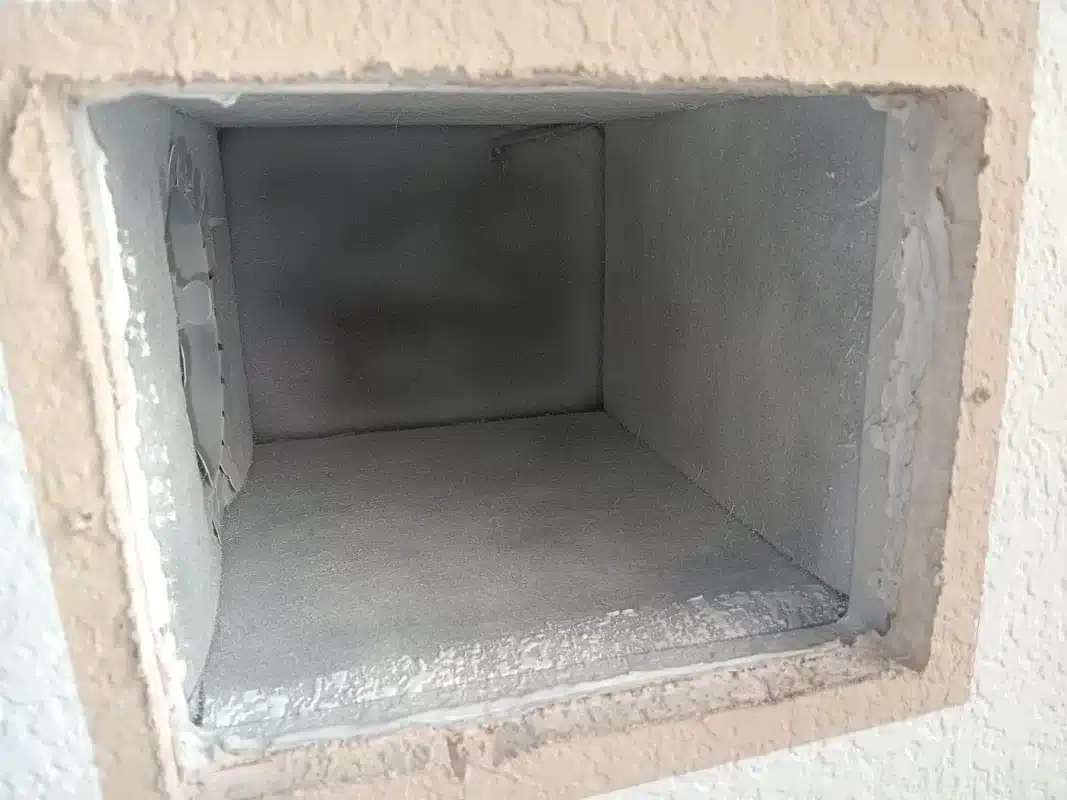
The biggest mistake I see is treating mold in ducts as a one-step cleaning job. If condensation on the evaporator coil or a clogged condensate drain remains unresolved, mold often returns within months. Another client once replaced only the visible vent covers after spotting growth. The contamination inside the main trunk line continued spreading spores through the system. We had to perform full-system cleaning, coil cleaning with a non-acidic foaming evaporator cleaner approved by the manufacturer, and seal minor air leaks with mastic sealant to prevent humid attic air from entering. A proper residential duct cleaning with mold treatment may take 3 – 6 hours for an average home. More complex systems with multiple zones can take a full day. Costs typically fall between $500 and $2,000 depending on:
- Site complexity and accessibility of duct runs
- Material type (metal vs. flex duct or lined duct)
- Total scope, including coil cleaning or duct replacement
Concerned About Mold in Your Ductwork?
If you suspect mold in your HVAC system, the right first step is a thorough evaluation – not guesswork. At Local Air Duct Cleaners, we inspect the entire system, identify moisture sources, and determine whether cleaning, targeted mold removal, or component replacement is appropriate. Our team follows industry standards and uses professional-grade negative air machines, HEPA filtration, and approved antimicrobial treatments when needed. We focus on long-term solutions so you’re not facing the same issue again next season. Whether you’ve noticed odors, allergy symptoms, or visible growth, we can provide clear answers and practical next steps without pressure. Schedule a professional assessment and get clarity on what your system actually needs.

FAQs
Can air duct cleaning completely eliminate mold?
Air duct cleaning can completely remove mold when the contamination is confined to non-porous surfaces such as bare sheet metal ducts and when the underlying moisture issue has been properly corrected. In these situations, we use specialized mechanical agitation tools to loosen debris and microbial growth, along with HEPA-filtered negative air machines to capture and contain airborne particles during the cleaning process. After physical removal, an EPA-registered antimicrobial treatment may be applied when appropriate to help inhibit future growth. However, if mold has infiltrated porous materials like fiberglass duct liner, internal insulation, flex ducts, or heavily contaminated air filters, cleaning alone is not sufficient. Porous materials can trap spores deep within their structure, making full removal impossible without replacement. A thorough inspection also includes checking the evaporator coil, drain pan, and condensate line, since these areas frequently collect moisture and support mold growth. Long term success depends on addressing humidity problems, leaks, or ventilation deficiencies so mold does not return after cleaning.
How do I know if there is mold in my air ducts?
You may suspect mold in your HVAC system if you notice a persistent musty odor when the system is running, visible dark or fuzzy spotting around supply vents, or a sudden increase in allergy or respiratory symptoms while indoors. Some homeowners also report worsening asthma, headaches, or sinus irritation that seems to improve when they leave the house. However, dust buildup and debris are frequently mistaken for mold growth, so a careful visual assessment is essential before drawing conclusions. During a professional inspection, I use a high intensity flashlight and a borescope camera to look inside supply trunk lines, return plenums, and other concealed duct sections. I also evaluate overall humidity levels, inspect insulation for moisture intrusion, and check for condensation around the evaporator coil and drain pan. If conditions suggest possible contamination, surface or air sampling can be conducted through indoor air quality testing to measure spore concentrations. Homeowners should avoid disturbing suspected growth, since brushing or vacuuming without proper containment can spread spores throughout living spaces. A thorough professional evaluation ensures accurate identification and guides decisions about cleaning, remediation, or system replacement.
How much does mold removal from air ducts cost and how long does it take?
The cost to address mold in air ducts typically ranges from $500 to $2,000 for most standard residential HVAC systems. However, if sections of ductwork, insulation, or related components require removal and replacement, the total investment can exceed this range. The overall price depends heavily on the size of the system and the extent of contamination. Most mold remediation projects take between 3 and 8 hours to complete, while larger homes, multi-zone systems, or properties with complex layouts may require a full day of service. Several factors influence final pricing:
- Site complexity and ease of access to ductwork
- Material costs, particularly if flex duct, insulation, or registers must be replaced
- Total project scope, including evaporator coil cleaning, drain line service, or moisture source repairs
Can I clean mold out of my air ducts myself?
Homeowners can usually clean visible dust from vent covers and grilles with mild detergent and warm water, but addressing mold growth inside air ducts is rarely a suitable do it yourself project. Proper remediation requires specialized equipment such as negative air machines, HEPA filtered vacuums, and controlled agitation tools that loosen contaminants without spreading them throughout the home. Without sealed containment and correct airflow management, disturbed mold spores can circulate through the HVAC system and settle in other rooms. I have encountered situations where homeowners relied on standard shop vacuums or basic brushes, only to worsen indoor air quality and increase cleanup costs. Effective mold remediation also involves locating and correcting the underlying moisture source, which may include adjusting HVAC settings, sealing duct leaks, improving insulation, or repairing drainage issues. Even if contamination appears limited to a small metal duct section, professional assessment is strongly advised. For anything beyond light surface dust on accessible grilles, hiring a qualified HVAC technician or a NADCA aligned contractor is the safest and most reliable solution.
What are the warning signs that mold is coming back?
Recurring musty odors when the system cycles on are often the earliest and most noticeable warning sign of hidden moisture or microbial growth within the HVAC system. You may also observe condensation forming around supply vents, visible discoloration or spotting on registers, or an increase in allergy symptoms such as sneezing, coughing, or sinus irritation while indoors. These indicators suggest excess moisture is present somewhere in the system and should not be ignored. I recommend inspecting the following areas at least once each season:
- Evaporator coil and drain pan for standing water or debris buildup
- Condensate drain line for clogs, slow drainage, or algae growth
- Humidity levels inside the home, with an ideal range of 30 – 50%
What causes mold to grow inside air ducts in the first place?
Mold requires three primary conditions to grow: moisture, organic material, and stagnant air. HVAC systems can unintentionally provide all three when they are not properly maintained. Moisture commonly develops from condensation that forms on the evaporator coil during normal cooling cycles. If the condensate drain line becomes clogged, water can accumulate and create a damp environment inside the system. Humid outdoor air may also enter through gaps or leaks in ductwork, increasing internal moisture levels. Dust and debris that collect inside ducts and on system components serve as an organic food source for mold spores. In addition, poorly insulated ducts located in attics, crawl spaces, or other unconditioned areas can develop surface condensation when warm air contacts cooler metal surfaces. Restricted airflow caused by dirty filters or blocked vents allows damp air to linger longer than it should. Preventive steps such as changing filters regularly, sealing duct connections, scheduling annual inspections, and controlling indoor humidity with properly sized equipment or a whole home dehumidifier significantly reduce the risk of mold growth.
How do I choose the right professional for mold in air ducts?
Look for companies that strictly follow NADCA standards and rely on true source removal methods rather than basic fogging, fragrance masking, or quick surface cleaning. A reputable provider should use HEPA-filtered negative air machines to capture dislodged debris and prevent contaminants from spreading throughout the property. Ask whether their technicians inspect the entire HVAC system, including air handler components, coils, drain pans, and return ducts, instead of focusing only on visible duct sections. Confirm that the company carries proper liability insurance and is willing to explain their process step-by-step so you understand what will be done and why. A qualified contractor should also evaluate moisture sources, overall coil condition, insulation integrity, and the specific duct material before recommending any service. Be cautious of providers who promise instant results without a thorough inspection or who depend solely on chemical treatments. Effective remediation requires mechanical agitation, proper containment, debris extraction, and post-cleaning verification. Detailed documentation and clear before-and-after photos demonstrate professionalism and accountability.
Is mold in air ducts an emergency?
Mold in air ducts is usually not an immediate emergency, but it should never be overlooked. If you notice visible mold growth around vents or detect persistent musty odors when your HVAC system is running, it is wise to schedule a professional inspection as soon as possible. Although the system does not typically need to be shut down right away, ongoing exposure to mold spores can worsen allergies, asthma, and other respiratory conditions. Taking early action helps reduce potential health risks and prevents further contamination. If you suspect mold, start by replacing the air filter with a clean, high quality filter to limit the spread of airborne particles. Avoid disturbing vents or attempting to clean deep ductwork yourself, as this can release additional spores into the air. Check for moisture related problems such as clogged condensate drain lines, roof leaks, plumbing leaks, or high indoor humidity levels. Addressing the source of moisture is essential for long term control. If anyone in the home experiences significant symptoms, consult a healthcare professional while arranging for a qualified HVAC technician to evaluate and resolve the issue promptly.