
Nobody wants to think about mold growing in their home. But here’s the thing – moldy air vents are more common than you’d expect. Every time your AC or heating kicks on, it could be spreading spores throughout your house. That musty smell when your system runs? Yeah, that’s probably not normal. Let’s walk through what you need to know about dealing with this problem before it gets worse.
Signs You Have Mold in Air Vents
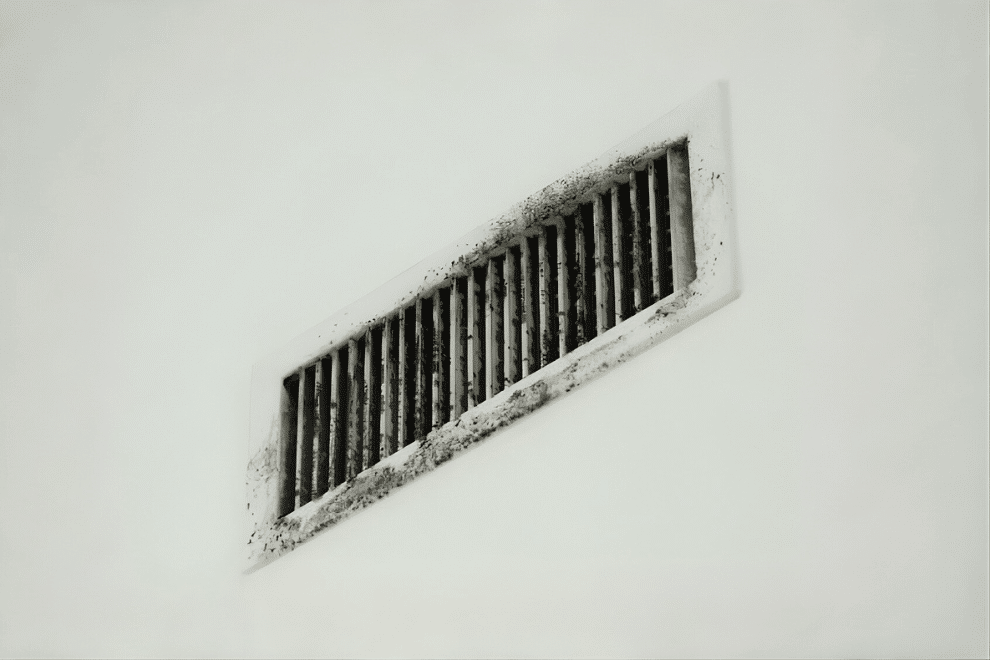
You might not see mold right away, but your nose knows. That earthy, musty odor coming from your vents is usually the first red flag. Check for visible dark spots or fuzzy growth around vent covers. Sometimes you’ll notice black or green streaks inside the ducts if you peek with a flashlight.
Your family might start sneezing more or complaining about itchy eyes. These symptoms often get worse when the HVAC runs. If you’re constantly dusting but can’t keep up, those particles might be mold spores from moldy air vents. Water stains near vents or excessive moisture on vent covers also signal trouble brewing inside.
Why Signs Of Black Mold In Your HVAC System Is Dangerous!
Black mold releases mycotoxins that can seriously affect your health. These toxins float through your entire home every time the system runs. Kids and elderly folks are especially vulnerable to respiratory problems. Some people develop chronic headaches, fatigue, or even memory issues from long-term exposure to moldy air vents.
Your HVAC system becomes a perfect distribution network for these harmful spores. They land on furniture, bedding, and surfaces throughout your house. What starts in one duct can quickly contaminate every room. The longer you wait, the more expensive and complicated the cleanup becomes.
Common Causes of Moldy Air Vents
Moisture is mold’s best friend, and your ducts can trap plenty of it. When warm air meets cold surfaces in your system, condensation forms. Poor insulation around ductwork makes this problem worse. Leaky ducts pull in humid air from attics or crawl spaces, creating perfect conditions for moldy air vents.
Here are the main culprits we see:
- Oversized AC units that cool too quickly
- Clogged drain pans
- Dirty filters restricting airflow
- High indoor humidity levels
Old ductwork with accumulated dust gives mold plenty to eat. If your home floods or has roof leaks, water can enter the system. Even small amounts of moisture can trigger growth within 48 hours.
Mold Removal: DIY vs Professional Solutions
Small areas of surface mold on vent covers? You can handle that yourself. Mix water with detergent, scrub the covers, and dry completely. Replace your filters and run a dehumidifier to reduce moisture. But once mold gets inside the ducts, DIY methods won’t cut it.
Professional remediation teams have specialized equipment you can’t rent at Home Depot. They use HEPA vacuums, antimicrobial treatments, and negative air pressure systems. Sure, it costs more upfront. However, improper cleaning can spread spores everywhere, making moldy air vents worse. Pros also identify and fix the moisture source causing the problem.
Black Mold in Air Vents: When to Call Professionals
See extensive black growth or smell strong musty odors? Call the pros immediately. If multiple family members have unexplained health issues, don’t wait. Mold covering more than 10 square feet requires professional help according to EPA guidelines.
You should also call experts if mold returns after cleaning. This means there’s a hidden moisture problem or contamination deeper in the system. Professionals can test air quality and identify specific mold types. They’ll provide documentation for insurance claims too. Remember, some homeowner’s insurance covers remediation for moldy air vents if caught early enough.
How to Prevent Mold in Air Ducts and Vents
Prevention beats remediation every single time. Keep indoor humidity below 50 percent using dehumidifiers or proper ventilation. Change filters monthly during heavy-use seasons. Spring for good quality filters that trap smaller particles.
Schedule annual HVAC inspections to catch problems early. Fix any roof or plumbing leaks immediately – even small drips matter. Make sure bathroom and kitchen exhaust fans vent outside, not into attics. Clean vent covers regularly and watch for condensation. Consider UV lights in your system to kill mold spores before they multiply.
Request A Service
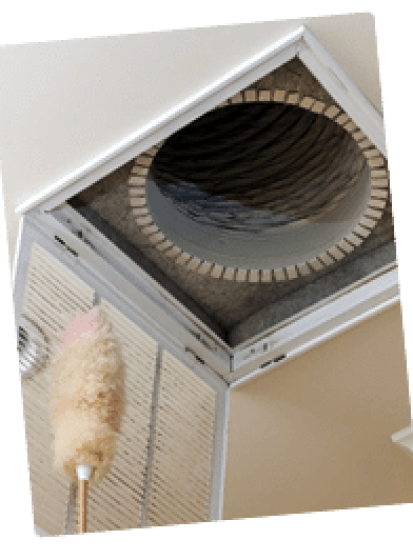
Dealing with moldy air vents isn’t fun, but ignoring them is dangerous. Regular maintenance and moisture control keep your system clean and your family healthy. Stay alert for warning signs like odors or visible growth. When in doubt, bring in professionals for testing and remediation. Your home’s air quality directly impacts your health. Taking action now prevents bigger problems and expenses down the road. Keep those vents clean, control moisture, and breathe easier knowing you’re protecting your home.
Frequently Asked Questions
How much does professional mold remediation typically cost?
Professional remediation for duct systems ranges from $500 to $6,000. Small jobs cost less, while whole-house contamination costs more. Factors include system size, mold extent, and local rates. Most companies offer free inspections and quotes. Insurance might cover costs if mold resulted from covered water damage.
Can I use bleach to clean mold in my air vents?
Bleach isn’t recommended for duct cleaning. It doesn’t penetrate porous materials where mold roots hide. The fumes can damage ductwork and create harmful gases. EPA-approved antimicrobial solutions work better. Plus, bleach leaves moisture behind, potentially feeding new growth. Stick to professional-grade products or hire experts.
How often should I inspect my air vents for mold?
Check vents every three months when changing filters. Do visual inspections around vent covers for discoloration or growth. Schedule professional inspections annually or after water damage. If you smell musty odors or experience unexplained allergies, inspect immediately. Regular monitoring catches problems before they spread throughout your system.