

Have you noticed a musty smell when your heating kicks on? That’s usually the first sign something’s wrong. We’ve seen more homeowners dealing with this lately, and it’s not getting better on its own. Your ductwork could be harboring dangerous spores that spread every time you turn on your system. The good news is that air duct mold removal can fix this problem and protect your family’s health.
Signs of Black Mold in Your HVAC System
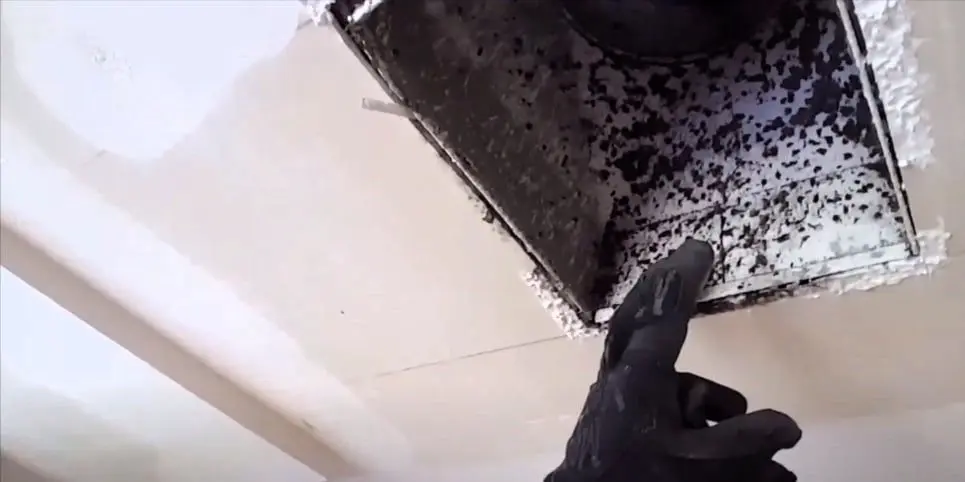
Let’s talk about what to watch for. The most obvious sign is that musty, earthy smell we mentioned. But there are others you should know about. You might see dark spots or discoloration around your vents. Some people notice their allergies getting worse at home, even when they feel fine outside.
Another red flag is visible growth around the vent covers. If you peek inside with a flashlight, you might spot fuzzy patches or slimy buildup. Water stains on walls near vents are also warning signs. These symptoms usually mean air duct mold removal should happen soon. Don’t ignore them – they indicate the problem is bigger than what you can see from the outside.
What Causes Mold Growth in Your HVAC
Moisture is the main culprit here. When warm, humid conditions meet cool surfaces in your ductwork, condensation forms. That moisture creates the perfect breeding ground for spores. We’ve found that leaky ducts or poor insulation make this situation worse. If your AC drip pan isn’t draining correctly, that’s another source of excess moisture creating problems.
Poor ventilation in your home traps humidity inside. This makes your system work harder and creates more condensation. Sometimes the issue starts with a small leak that goes unnoticed for months. By the time you spot it, colonies have already spread through the system. That’s when professional air duct mold removal becomes necessary to restore your indoor environment.
When to Call a Professional Dryer Vent Cleaning Service
The process starts small but spreads fast. Spores float through the system and land on damp surfaces inside your ducts. Within 24-48 hours, they start growing and multiplying. Your ductwork stays dark and often wet, which speeds up the whole process. Each time your system runs, it can spread spores to new areas throughout your home. That’s why quick action matters once you spot the problem developing in your vents.
Professional Mold Removal vs DIY Air Duct Cleaning
Here’s where we need to be honest with you. Basic duct cleaning isn’t the same as proper air duct mold removal. A regular vacuum or surface cleaning won’t reach deep into your system where colonies hide. Professional services have specialized equipment and the right training to handle these situations safely.
The differences are pretty significant when you compare the two approaches:
- Professionals use HEPA-filtered vacuums that capture 99.97% of particles
- They can access your entire duct system, not just visible areas
- Experts apply antimicrobial treatments that prevent regrowth in treated zones
- They identify and fix the moisture source causing the ongoing issue
DIY attempts often miss hidden growth in hard-to-reach places. We’ve seen homeowners accidentally make the problem worse by disturbing colonies without proper containment methods in place.
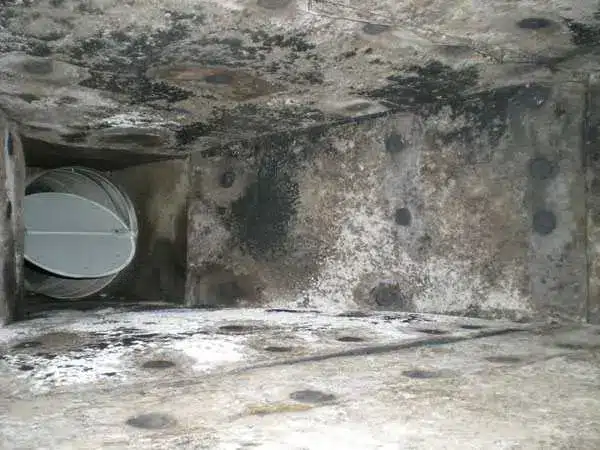
Why Air Duct Mold Removal Requires Professional Help
Think of it like this: you wouldn’t perform surgery on yourself, right? This situation needs similar expertise and careful handling. Trained technicians know how to contain affected areas during the cleaning process safely. They wear protective gear and use negative pressure systems to prevent spores from spreading to clean areas.
Air duct mold removal professionals also test your ducts after cleaning to confirm everything is gone. They can spot structural issues like damaged insulation or leaks that contributed to the original problem. Plus, they’ll document everything for your records and insurance if you need to file a claim. The investment pays off when you consider the health risks and potential property damage you’re avoiding.
How to Prevent Future Mold Growth in HVAC Systems
Once you’ve solved the problem, let’s keep it from coming back to haunt you. Start by controlling humidity levels – aim for 30-50% inside your home year-round. Use a dehumidifier in damp areas like basements or crawl spaces. Change your filters regularly, at least every three months or more often if needed.
Schedule annual maintenance checks to catch minor issues before they become big problems. Make sure your drip pans drain properly and your ducts are well-insulated against temperature changes. Fix any leaks around your home promptly when you spot them. Good ventilation in bathrooms and kitchens also helps reduce overall humidity levels. These simple steps make a huge difference in keeping your system clean after air duct mold removal is complete.
Request A Service
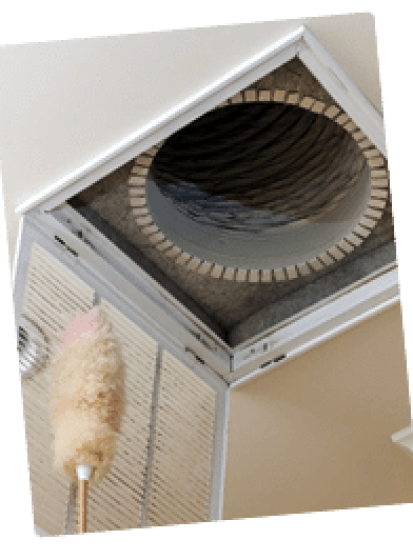
Your family deserves clean, healthy indoor breathing conditions. Waiting won’t make the situation better – it only gives colonies more time to spread throughout your entire system. We’ve helped countless homeowners breathe easier after getting their ducts appropriately cleaned by certified professionals. The process is faster than you’d think, usually just a day or two from start to finish.
Don’t let another season pass with contaminated ducts circulating spores throughout your living spaces. Contact a certified specialist today for a thorough inspection of your system.
They’ll assess your situation and create a custom treatment plan that addresses your specific needs. Professional air duct mold removal protects your health and gives you peace of mind knowing your home’s air is safe.
Frequently Asked Questions
How much does air duct mold removal typically cost?
The cost varies depending on your system’s size and how harmful the contamination is. Most homeowners pay between $500-$2,000 for professional service. Larger homes with extensive ductwork cost more. Keep in mind that treating the whole system costs more than spot cleaning. But it’s worth every penny when you consider the health benefits. Get quotes from at least three certified companies before choosing one. Many offer free inspections to assess your specific situation first.
How long does the air duct mold removal process take?
Most jobs finish in one to two days for average-sized homes. The timeline depends on how extensive the growth is and your system’s complexity. Simple cases might only take 4-6 hours. More severe contamination requires additional time for proper treatment and drying. The team will inspect everything first and give you an accurate estimate. They’ll also need time to set up containment barriers. Plan to be without your HVAC during the work.
Is mold in air ducts actually dangerous to my health?
Yes, it can cause serious health problems over time. Breathing spores daily triggers allergies and respiratory issues in many people. Those with asthma or weakened immune systems face higher risks. You might experience coughing, sneezing, headaches, or fatigue. Some types produce mycotoxins that cause more severe reactions. Children and elderly family members are especially vulnerable to these effects. The longer you’re exposed, the worse symptoms typically become. That’s why quick action matters.
Can my family stay home during the mold removal?
It depends on the severity and your family’s health situation. For minor cases with proper containment, staying home is usually fine. But if you have young children, pregnant women, or anyone with respiratory issues, consider leaving. The professionals will tell you what they recommend after inspecting your system. Some people stay in unaffected rooms while work happens. Others prefer to leave for the day just to be safe. Trust your specialist’s guidance on this decision.
Does homeowners insurance cover air duct mold removal costs?
Coverage varies widely depending on your policy and what caused the problem. Insurance typically covers sudden, accidental damage like a burst pipe. But they usually won’t pay for maintenance issues or gradual deterioration. Review your policy carefully or call your agent to ask. Document everything with photos and reports from professionals. Some policies exclude all fungal growth regardless of cause. If denied, you can sometimes appeal with proper documentation showing sudden onset.