

Air Duct Sealing Cost in Orlando, FL (2026 Guide): What Homeowners Should Expect
May 15, 2026
- By
- Local Air Duct Cleaners Kissimmee
- HVAC Air Distribution Specialists
A homeowner in Orlando recently called us after noticing one bedroom felt humid and warm no matter how low the thermostat was set. At Local Air Duct Cleaners Kissimmee, we’ve been helping property owners solve airflow and efficiency problems for years of experience, and uneven temperatures like this often point to leaking ductwork. In many cases, the issue isn’t the AC unit – it’s the air escaping before it ever reaches the room. Ignoring duct leaks can quietly drive up monthly utility bills and strain your HVAC system. We’ve seen homes where 20 – 30% of conditioned air was lost into attics. That wasted air translates into higher cooling costs and premature equipment wear. If you’re researching professional duct services in Orlando, this Air Duct Sealing Cost in Orlando, FL (2026 Guide) will break down what affects pricing and what you should expect.
What Quality Air Duct Sealing Should Include
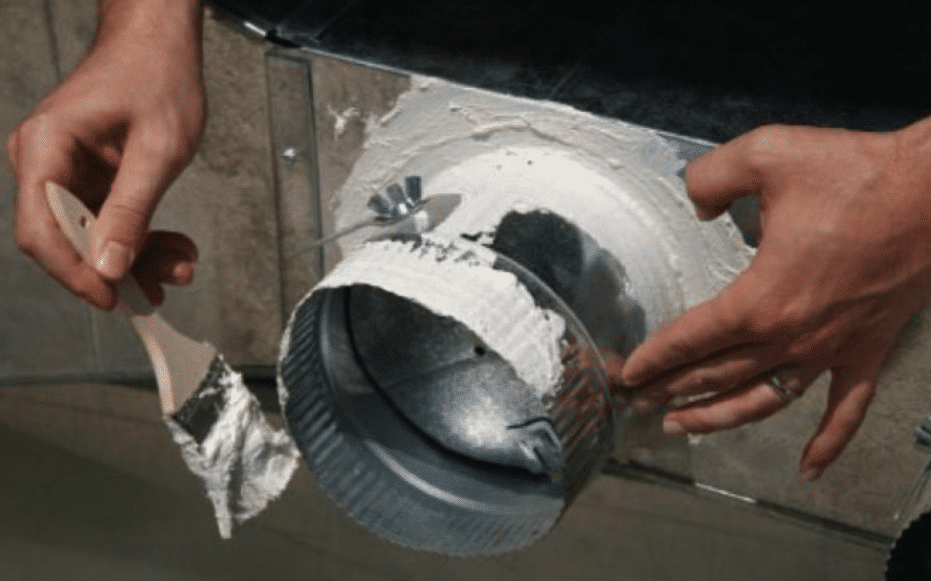
Effective duct sealing starts with proper testing and ends with verified performance improvements. The most important best practice is measuring leakage before and after the work. Without testing, there’s no way to confirm results. We follow standards established by NADCA (National Air Duct Cleaners Association) and SMACNA (Sheet Metal and Air Conditioning Contractors’ National Association) to ensure durable, code-aligned repairs. A professional duct sealing service should include:
- Pre-sealing duct leakage testing using a duct blaster.
- Inspection of supply and return plenums for gaps or disconnected boots.
- Application of UL 181-rated water-based mastic at all joints, seams, and connections.
- Mechanical fastening of loose joints before sealing.
- Post-sealing verification test to confirm CFM reduction.
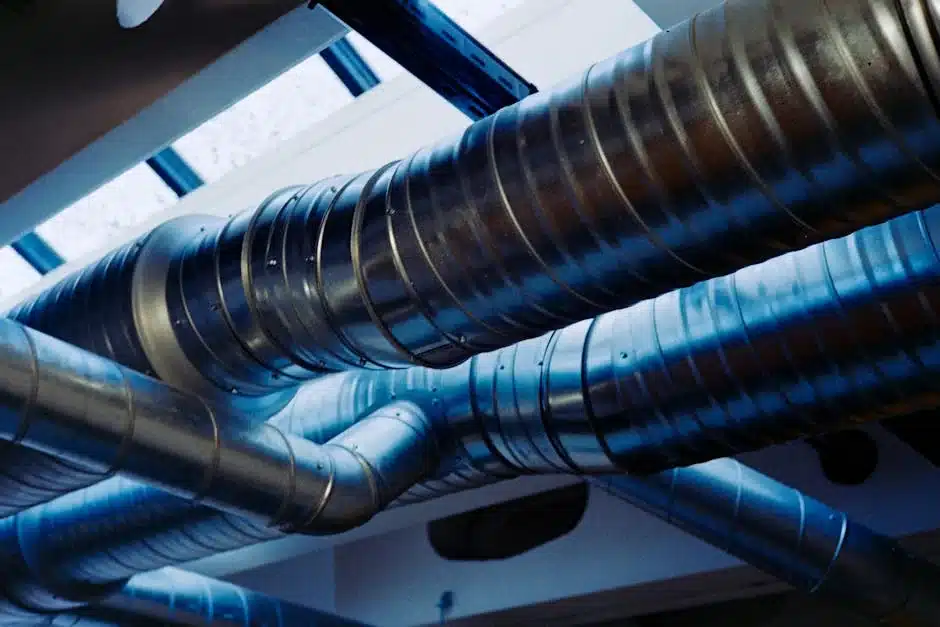
What Influences Cost and How to Protect Your Investment
When evaluating Air Duct Sealing Cost in Orlando, FL (2026 Guide), homeowners should understand what drives pricing. In most residential properties, professional duct sealing may range from $1,200 to $3,500 depending on conditions. Larger homes or systems requiring extensive attic access work could exceed that range. Primary cost factors include:
- Site complexity: Tight attic spaces or multi-system homes increase labor time.
- Material costs: Mastic sealants, insulation wraps, and replacement duct sections vary in price.
- Total scope: Whether sealing is localized or system-wide affects testing and labor requirements.
- Annual HVAC inspections.
- Duct inspection every 3 – 5 years.
- Immediate repair if attic renovations disturb ductwork.
Schedule a Professional Duct Evaluation
If rising energy bills, uneven cooling, or persistent dust are affecting your comfort, the next step is a professional duct evaluation. We use calibrated testing equipment to measure leakage, identify problem areas, and provide clear recommendations based on actual performance data – not guesswork. Our team evaluates attic conditions, insulation levels, and airflow balance to determine whether full-system sealing or targeted repairs make the most sense. You’ll receive documented findings and realistic cost expectations so you can make an informed decision. Duct sealing is an investment in system efficiency, equipment longevity, and indoor comfort. Scheduling an on-site assessment ensures the solution matches your home’s layout and Orlando’s demanding climate conditions.
FAQs
How much does air duct sealing typically cost in Orlando?
Air duct sealing costs in Orlando typically depend on system size, attic accessibility, and the extent of leakage. For many single-family homes, professional sealing may range between $1,200 and $3,500. Larger homes with multiple HVAC systems or severely deteriorated ducts can exceed that range. The final price often reflects whether the work involves localized joint sealing or a full-system duct blaster test with comprehensive mastic application. Homes with tight attic spaces or limited walk boards may require additional labor time. In Orlando, high attic temperatures and humidity also influence material selection. Quality contractors use UL 181-rated mastic and mechanically secure joints to ensure long-term performance. A detailed inspection and leakage test provide the most accurate estimate because visible leaks rarely tell the full story.
Is duct sealing really necessary if my AC seems to work fine?
An air conditioner can appear to function normally while still losing a significant amount of conditioned air. Many systems compensate for duct leakage by running longer cycles, which masks the issue but increases energy consumption and wear. In Orlando’s climate, extended run times mean higher humidity exposure and greater strain on compressors and air handlers. Over time, that stress can shorten equipment lifespan and raise maintenance costs. Testing with a duct blaster reveals actual leakage rates. If leakage exceeds recommended thresholds under the Florida Building Code Energy Conservation provisions, improvements may be justified even if comfort seems acceptable. Sealing also helps stabilize room temperatures and reduce dust infiltration from attic spaces. It’s not just about whether the AC turns on – it’s about how efficiently it delivers conditioned air to each room.
How long does duct sealing take and what affects the total cost?
Most residential duct sealing projects in Orlando can take one to two days, depending on accessibility and system size. Homes with straightforward attic access and minimal leakage may be completed within a single day. More complex layouts or multiple HVAC systems may require additional time for testing and repairs. Total cost may fluctuate based on:
- Site complexity and attic working conditions.
- Material costs for sealants, insulation, or duct replacement sections.
- Total scope of sealing, testing, and potential insulation upgrades.
Can I seal my air ducts myself?
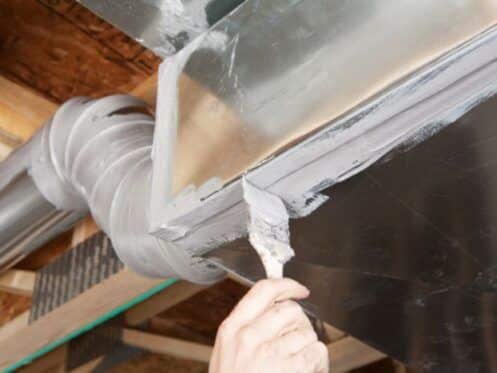
Homeowners can seal small, visible duct joints using UL 181-rated mastic and fiberglass mesh tape, especially in easily accessible attic areas. However, DIY sealing often addresses only surface-level gaps while leaving hidden leakage untouched. Professional sealing involves pressure testing before and after repairs. Without a duct blaster test, there’s no reliable way to measure improvement. In our experience, homeowners who rely solely on store-bought tape frequently discover that adhesives fail in high attic heat. If ductwork is disconnected, crushed, or improperly sized, professional evaluation is strongly recommended. Complex issues such as high static pressure or airflow imbalance require diagnostic tools and system knowledge. DIY efforts can help with minor maintenance, but comprehensive sealing and verification testing are best handled by trained technicians.
What are the warning signs that my ducts need sealing?
Common warning signs include uneven temperatures between rooms, higher-than-expected utility bills, excessive dust buildup, and noticeable airflow differences at supply registers. You may also hear whistling sounds in attic spaces, which can indicate pressurized air escaping through gaps. In humid environments like Orlando, sweating ductwork or ceiling stains near vents can suggest insulation problems combined with air leakage. Longer AC run cycles without improved comfort are another indicator. Homeowners can perform a basic visual inspection in accessible attic areas, looking for disconnected joints or deteriorated tape. However, small leaks often go unnoticed without testing equipment. If multiple symptoms appear together, scheduling a professional inspection and leakage test provides clarity and prevents ongoing energy waste.
Are there common duct problems specific to Orlando homes?
Yes, Orlando homes frequently experience duct issues related to attic heat and humidity. Many systems are installed in unconditioned attics where summer temperatures can exceed 120°F. Over time, that heat breaks down low-quality sealants and causes joints to separate. High humidity levels can also lead to condensation on poorly insulated ducts. When moist attic air infiltrates return ducts, it can introduce contaminants and strain the HVAC system. Another common issue involves older flex duct installations where long unsupported runs sag, restricting airflow. During renovations or roofing work, duct sections are sometimes shifted or partially disconnected. Regular inspections are particularly important in this climate. Addressing minor separations early prevents larger performance and moisture problems later.
What should I look for when hiring a duct sealing professional?
Look for contractors who perform pre- and post-sealing leakage testing rather than offering visual-only repairs. Proper testing verifies results and demonstrates measurable improvement. Technicians should follow NADCA or SMACNA standards and use UL 181-rated materials. Ask whether they mechanically fasten joints before applying mastic. Insurance coverage and appropriate state licensing for HVAC-related work are also essential. Be cautious if a contractor guarantees dramatic energy savings without inspecting the system. Professional evaluations include airflow measurements, static pressure checks, and attic inspections. Clear documentation and written estimates reflect organized, accountable service. Choosing a qualified provider protects your investment and ensures the work aligns with building code expectations.
When should I schedule duct sealing instead of waiting?
Duct sealing is rarely an emergency, but certain conditions warrant prompt attention. If you notice a sudden spike in energy bills, major airflow imbalance, or visible disconnected duct sections in the attic, scheduling service soon can prevent further strain on your HVAC system. After attic renovations, roof replacements, or pest intrusion, ducts should be inspected for displacement or damage. Persistent humidity issues or musty odors may also indicate return-side leakage drawing in attic air. If your system is approaching replacement age, sealing ducts before installing new equipment can improve performance and protect manufacturer warranty requirements related to airflow and static pressure. Taking action early reduces long-term energy waste and helps maintain consistent indoor comfort.