

Your home’s air flows through ducts constantly. When these ducts get dirty, your whole family breathes in whatever’s growing inside them. Air duct contamination happens more often than you’d think. It’s not just dust we’re talking about here. Mold, bacteria, and other nasty stuff can make your ducts their home. Let’s talk about keeping your air clean and your family healthy.
What Is Air Duct Contamination?
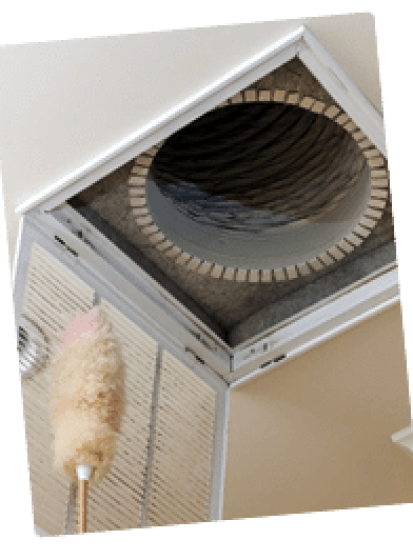
Air duct contamination means harmful stuff has built up in your HVAC system. We’re talking about mold, dust mites, bacteria, and other microorganisms. These things love dark, enclosed spaces like your ductwork. Once they settle in, they multiply fast. Every time your system turns on, it spreads these contaminants throughout your home.
Your ducts can also collect regular dirt and debris over time. Pet hair, dead skin cells, and outdoor pollutants all find their way inside. This creates the perfect breeding ground for microbial growth. The combination of organic matter and moisture makes air duct contamination a real problem for many homeowners.
Why Air Duct Contamination Is Harmful to Your Health
Breathing contaminated air affects everyone differently, but it’s never good. Kids and elderly folks feel it the most. People with allergies or asthma really struggle when ducts are dirty. You might notice more headaches, fatigue, or respiratory issues. Some folks develop new allergies they never had before.
The health impacts go beyond just feeling stuffy or sneezy. Long-term exposure to air duct contamination can cause severe breathing problems. Your immune system works overtime fighting off these invaders. This leaves you more vulnerable to other illnesses. Plus, certain molds produce toxins that can cause severe reactions in sensitive people.
Common Causes of Contamination in Air Ducts
Several factors contribute to air duct contamination in homes. Poor ventilation tops the list of common culprits. When air doesn’t flow properly, moisture and particles accumulate. Construction or renovation dust often gets sucked into the system, too. Homes near busy roads collect more outdoor pollutants than others.
Pets add another layer of contamination to your ducts. Their fur and dander circulate through the system constantly. Smoking indoors makes things even worse. The tar and chemicals stick to the duct walls, creating a sticky surface. This surface then traps more particles, speeding up contamination.

Moisture and Humidity Problems
Water is the biggest enemy when fighting air duct contamination. Leaky ducts or high humidity create perfect conditions for mold. Your AC unit naturally produces condensation during cooling. If this water doesn’t drain properly, problems start quickly. Even small amounts of standing water cause significant issues.
Basements and crawl spaces often have moisture problems that affect ducts. Improperly sealed ducts in these areas collect condensation easily. The temperature difference between the cold ducts and the warm air causes water droplets to form. Once mold starts growing, it spreads throughout your entire system fast.
Signs Your Ducts Have Contamination Issues
You’ll know something’s wrong when musty odors come from your vents. That smell means air duct contamination has already taken hold. Visual signs include dust buildup around vent covers. You might see black spots or fuzzy growth near registers. These are clear indications that your ducts require immediate attention.
Here are other signs to watch for:
- Family members are getting sick more often
- Increased allergy symptoms indoors
- Uneven airflow from different vents
- Higher energy bills without explanation
- Visible mold on vent covers
Preventing Air Duct Contamination in Your Home
Prevention beats dealing with air duct contamination after it happens. Start by keeping your home’s humidity below 50 percent. Use exhaust fans in bathrooms and kitchens regularly. Fix any water leaks as soon as you spot them. These simple steps make a massive difference in duct health.
Regular HVAC maintenance stops problems before they start. Have professionals inspect your system yearly. They’ll catch issues early and prevent significant contamination. Keep the area around your indoor unit clean and dry. Don’t store chemicals or cleaning products near your system either.
Regular Filter Changes and System Care
Your air filter is the first defense against air duct contamination. Change it every one to three months without fail. Buy the best filter your system can handle. Cheap filters let too much stuff through. This debris then settles in your ducts, causing problems later.
Check your filter monthly, especially during heavy-use seasons. A clogged filter makes your system work harder. It also lets more contaminants bypass into your ducts. Make sure filters fit properly with no gaps. Even small openings let unfiltered air into your system.
Controlling Moisture Levels
Keeping moisture out prevents most air duct contamination issues. Install a dehumidifier if your home stays humid. Make sure your AC drain line flows freely. Clean the drain pan during each filter change. These tasks take minutes but save you from major problems.
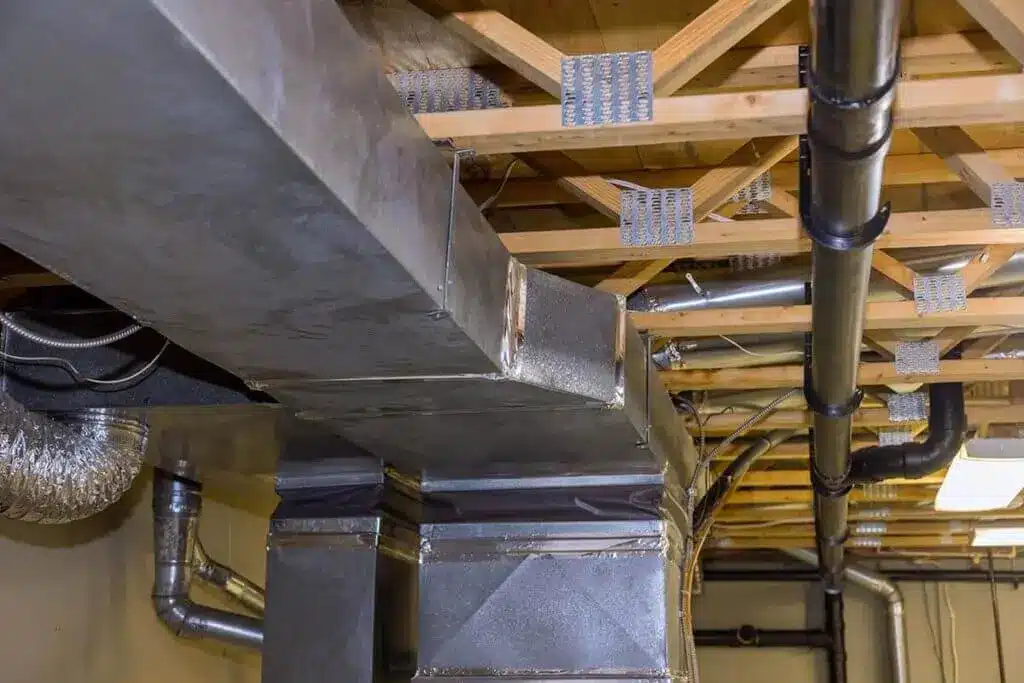
Insulate ducts running through unconditioned spaces like attics. This prevents condensation from forming on cold surfaces. Seal any duct leaks with proper materials immediately. Check for wet spots near your air handler regularly. Quick action stops mold before it spreads through your system.
When to Call Professionals for Air Duct Contamination
Sometimes DIY prevention isn’t enough to stop contamination. If you see visible mold, call experts right away. They have special equipment to clean ducts safely. Trying to clean mold yourself often makes it spread more. Professional help ensures the complete removal of all contaminants.
Significant water damage always requires professional duct cleaning. After flooding or significant leaks, contamination happens fast. Experts can assess damage and clean your entire system properly. They’ll also identify why air duct contamination occurred initially. This helps prevent future problems from developing in your home.
Request A Service
Here’s the bottom line. Your dryer vent needs attention in every season. Each time of year brings different challenges that affect performance and safety. Spring cleaning removes winter buildup. Summer checks keep humidity from creating sticky lint problems. Fall preparation clears debris before winter. Winter monitoring prevents ice blockages that damage your system.
Make dryer vent maintenance part of your regular home care routine. Set reminders on your phone for quarterly checks. Keep basic cleaning tools handy so you can tackle small issues immediately. This proactive approach saves money on energy bills and extends your system lifespan significantly.
Frequently Asked Questions
Q: How can I test my indoor air quality to know if contamination is present?
A: You can purchase home testing kits that measure pollutants and allergens. However, for accurate results, consider hiring a certified inspector who uses professional equipment. They’ll test for various contaminants and provide detailed reports about what’s affecting your home’s air.
Q: What's the difference between a regular cleaning service and a specialized duct cleaning service?
A: Regular cleaners focus on visible surfaces in your home, while duct specialists have equipment to reach deep inside your ventilation system. They use powerful vacuums, rotary brushes, and sometimes cameras to inspect and clean areas you can’t access yourself.
Q: Should I run my air conditioning less to prevent mold growth in the ducts?
A: Actually, running your AC regularly helps control moisture. The key is proper maintenance – ensuring drain lines work correctly and filters stay clean. Turning it off for extended periods in humid climates can actually increase contamination risk.
Q: Can I spray household cleaner directly into my air vents to kill germs?
A: Never spray chemicals into vents. This can damage your system and spread harmful fumes throughout your home. Household products aren’t designed for ductwork and can leave residues that actually attract more dirt and debris.
Q: What's the difference between mold and mildew in my duct system?
A: Mildew is actually a type of mold that appears flat and powdery, usually white or gray. Mold tends to be fuzzy or slimy and comes in various colors. Both thrive in moist environments, but mold typically causes more serious health issues.
Q: How do I maintain proper humidity levels to prevent spore development?
A: Keep indoor humidity between 30-50% using dehumidifiers or your HVAC settings. Monitor levels with a hygrometer, especially in basements. Fix leaks immediately, use exhaust fans when cooking or showering, and ensure proper ventilation throughout your home.