
If you can’t vent your dryer outside, you might be wondering about other options. An indoor dryer vent could be the answer you’re looking for. These handy devices let you run your electric dryer without connecting to an exterior wall. But are they safe? Do they actually work well? We’ve helped countless homeowners figure out the best solutions for their specific situations. Today, we’re breaking down everything you need to know about this option. From how they work to maintenance tips, we’ve got you covered.
What Is an Indoor Dryer Vent and How Does It Work?
An indoor dryer vent redirects your dryer’s exhaust back into your living space. Instead of pushing hot air outside, it passes through a filter or water reservoir first. The filter catches lint before releasing air indoors. This setup works only with electric dryers, though. Gas dryers produce carbon monoxide, making indoor venting extremely dangerous.
We’ve installed many indoor dryer vent systems in apartments and older homes. They’re popular when exterior venting isn’t possible due to building codes or layout issues. The key is understanding that you’re adding moisture and heat to your home. Proper use makes all the difference in keeping your air quality safe and healthy.
When You Should Use an Indoor Dryer Vent Kit
There are specific situations where it makes sense to use an indoor dryer vent kit. Maybe you live in a condo without exterior access. Perhaps your laundry room sits in the center of your home. These are common scenarios we see regularly. An indoor dryer vent becomes practical when running ductwork outside costs too much.
Winter months can also make this option appealing to vent indoors. The extra warmth and humidity might feel nice in dry climates. However, you need to monitor moisture levels carefully. Too much humidity leads to mold growth over time. We always recommend using a hygrometer to track moisture content in your home.
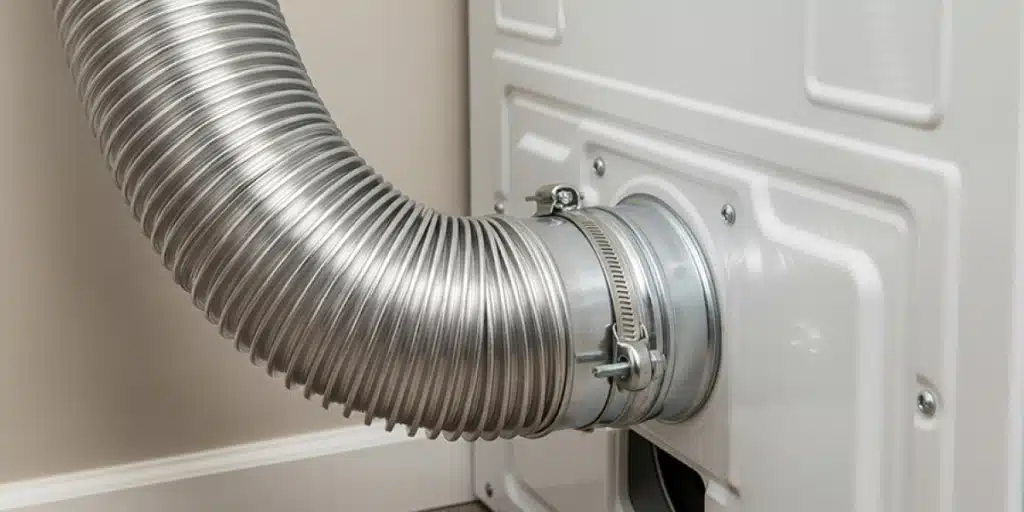
Pros and Cons of Indoor Dryer Vents
Let’s talk about the cons of indoor dryer vents first, since safety matters most. Increased humidity is the biggest concern with any indoor vent setup. Excess moisture can damage walls, ceilings, and furniture over time. You’ll also deal with lint that escapes even quality filters.
On the positive side, an indoor dryer vent saves energy during cold months. That warm exhaust heats your space instead of going outside completely. Installation costs less since you skip exterior ductwork entirely. For renters who can’t modify their homes, it’s often the only real option available.
Understanding the Filtration System Benefits
A quality filtration system makes indoor venting much safer overall. Products like the BetterVent indoor dryer vent use advanced filters to trap particles. These catch most lint before air enters your room. Some models use water basins that grab debris effectively too.
We recommend changing or cleaning filters after every few loads without fail. Neglecting this step defeats the purpose entirely. Clogged filters reduce dryer efficiency and push more particles into your air. Think of it like your car’s oil filter. Regular maintenance keeps your indoor dryer vent running smoothly and safely.
Why Outdoor Dryer Vents Are Often Preferred
Outdoor dryer vents remain the gold standard for good reason in most homes. They push all moisture, lint, and heat completely outside your living space. You don’t worry about humidity buildup or air quality issues at all. Professional installation ensures proper airflow and safety compliance every time.
We’ve seen the problems that poor indoor setups cause over the years. Mold growing behind walls is surprisingly common. Respiratory issues from lint exposure happen more than people realize. Increased allergens throughout the house affect everyone living there. If you have any way to route exhaust outside, we strongly encourage that path.
The Importance of Regular Duct Cleaning Services
Whether you use an indoor dryer vent or exterior setup, duct cleaning services keep things safe. Lint buildup inside vents creates serious fire hazards that many homeowners overlook. Tlihe U.S. Fire Administration reports thousands of dryer fires annually. Most result from clogged vents and ducts that nobody cleaned.
Our team performs thorough duct cleaning that removes years of dangerous buildup. We inspect the entire pathway from dryer to exit point carefully. Cleaning services should happen at least once yearly for most households. Heavy users might need attention more often than that.
How Air Duct Cleaning Improves Your Home's Air Quality
Air duct cleaning goes beyond just your dryer system and its components. Your entire HVAC network benefits from professional attention regularly. Dust, pet dander, and allergens collect in air ducts over time silently. Every time your system runs, it circulates these particles throughout your home.
We combine dryer vent work with full air duct cleaning for many clients. It makes sense to address both systems together during one visit. The result is noticeably cleaner air throughout your entire living space. People with allergies or asthma often feel immediate relief after we finish.
Why Professional Dryer Vent Cleaning Services Matter
DIY cleaning only goes so far with dryer vent cleaning services and maintenance. Professionals have specialized tools that reach deep into ductwork effectively. We use rotary brushes and high-powered vacuums that homeowners simply don’t own. This equipment removes stubborn buildup that basic cleaning always misses.
Here’s what professional cleaning includes:
- Complete inspection of all components
- Removal of lint from the entire length
- Checking for damage or disconnections
- Testing airflow efficiency after cleaning
- Recommendations for any needed repairs
Hiring experts also protects your warranty and insurance coverage going forward. Many policies require professional maintenance records for claims. Professional dryer vent cleaning services give you peace of mind and proven results every time.
Request A Service
Choosing the right solution matters for your home’s safety and comfort daily. An indoor dryer vent works well in certain situations with proper precautions taken. However, nothing replaces professional guidance and regular maintenance from trained technicians. Our team helps you make informed decisions about your specific setup.
Contact Atlantic Duct Cleaning for expert advice and quality service today. We handle everything from installation consultations to routine duct cleaning services. Our technicians understand both indoor and outdoor systems thoroughly from years of experience. We’ll assess your home and recommend the safest, most efficient option available. Don’t guess when it comes to your family’s air quality and safety. Reach out today and let us help you breathe easier at home.
Frequently Asked Questions
Q: Can I use an indoor dryer vent with a gas dryer?
A: No, you should never use an indoor dryer vent with a gas dryer. Gas dryers produce carbon monoxide as a byproduct of combustion. This colorless, odorless gas is extremely dangerous when released indoors. It can cause serious health problems or even death. Indoor venting kits work safely only with electric dryers that produce just heat and moisture.
Q: How often should I clean my indoor dryer vent filter?
A: We recommend cleaning your filter after every two to three loads at minimum. Some heavier lint-producing fabrics may require cleaning after each use. Check your filter regularly and clean it whenever you notice buildup. Neglecting filter maintenance reduces dryer efficiency and releases particles into your home. Clean filters also help prevent potential fire hazards from lint accumulation.
Q: Will an indoor dryer vent make my home too humid?
A: It depends on your climate, home size, and ventilation setup. In dry winter months, extra humidity might feel comfortable. However, in humid climates or poorly ventilated spaces, moisture can cause problems. Watch for condensation on windows or musty smells. Using a dehumidifier alongside your indoor setup helps manage moisture levels effectively in most situations.
Q: How do I know if my dryer vent needs professional cleaning?
A: Several signs indicate it’s time for professional attention. Clothes taking longer to dry is the most common warning. You might notice the dryer feels hot to touch or the laundry room feels humid. Burning smells during operation signal lint buildup that needs immediate attention. Annual professional cleaning prevents these issues from developing.
Q: Are indoor dryer vent kits against building codes?
A: Building codes vary by location, so check your local regulations first. Many areas allow indoor venting for electric dryers in specific situations. Some codes require minimum room sizes or ventilation requirements. Rental properties often have their own rules about modifications. Contact your local building department or landlord before installing any indoor venting system.
Q: What's the difference between a lint trap and a water trap indoor vent?
A: Lint trap models use disposable or washable filters to catch debris before releasing air. Water trap versions pass exhaust through a basin of water that captures particles. Water traps generally catch more lint but require emptying and refilling regularly. Lint traps need filter replacement or cleaning. Both work effectively when maintained properly for your needs.