

Look, I’ve been working on heating and cooling systems for years now. One of the most common issues we see is homeowners forgetting about their HVAC filter sitting in that return vent. Trust me, skipping regular HVAC plenum filter maintenance causes way more problems than you’d think. Your system works harder, bills go up, and the air you breathe gets nasty. We’re talking about real consequences that affect your wallet and your family’s health. Let me walk you through exactly what happens when you ignore this simple task.
How a Dirty Air Filter Strains Your System
Here’s what I’ve seen time and time again in homes across the area. When your HVAC filter size gets clogged with dust and debris, your air handler has to work overtime just to pull air through. It’s like trying to breathe through a straw. The blower motor struggles, temperatures fluctuate, and energy bills jump up fast. Your cooling and heating cycles run longer than they should.
I remember one customer whose system was running constantly but barely keeping the house comfortable. We pulled out their old HVAC system filter, and it was so packed with dust you couldn’t see through it. Within hours of installing a fresh one, their air conditioning started working normally again. The temperature evened out, and their next power bill dropped by almost 30 percent.
Indoor Air Quality Takes a Major Hit
This is where things get serious for your family’s health. A clogged HVAC filter can’t trap allergens, pet dander, or dust mites anymore. All that stuff just circulates through your home constantly. I’ve worked with families where kids had worsening allergies, and replacing their dirty HVAC filter made a huge difference within days.
Think about it this way. Your HVAC HEPA filter is the only thing standing between outdoor pollutants and the air your family breathes. When it’s saturated, particles bypass it completely. Dust settles on furniture faster. People start sneezing more. Some customers even tell me they can smell mustiness in their home when maintenance gets neglected too long.
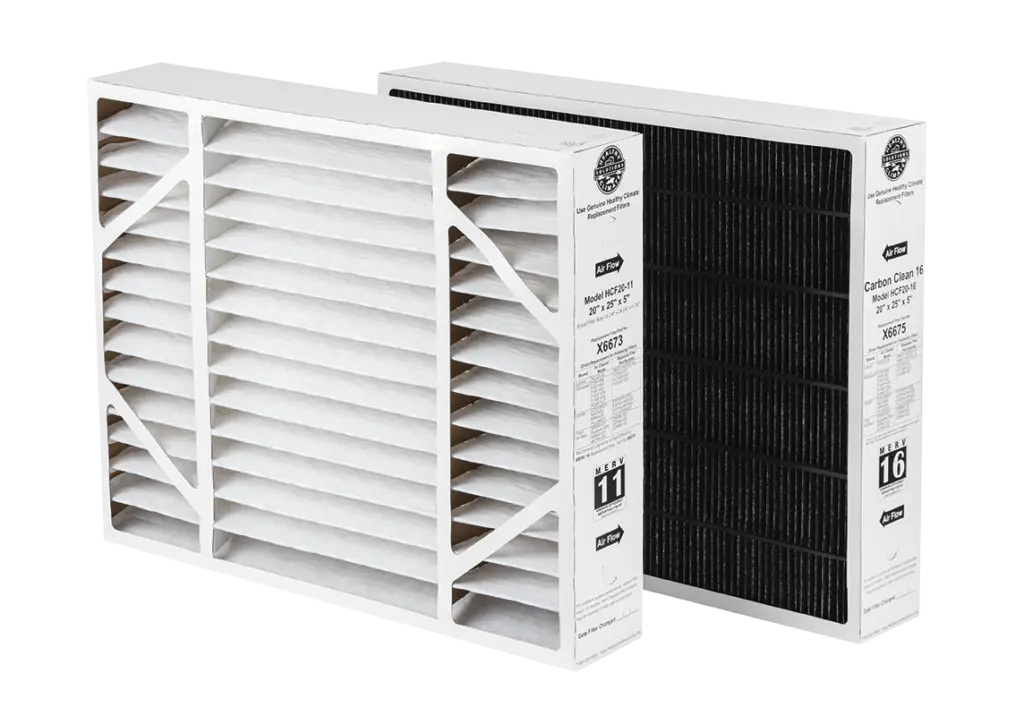
Understanding MERV Ratings for Your HVAC Filter
Not all options are created equal, and I help customers navigate these choices daily. The MERV scale runs from 1 to 16, measuring how well different types capture particles. Lower numbers catch bigger stuff like lint and carpet fibers. Higher numbers trap smaller particles like bacteria and smoke. Most residential systems work great with ratings between 8 and 13.
Choosing Between Higher MERV Rating Options
Here’s where people get confused. They think higher is always better, but that’s not quite right. MERV 13 options catch more particles, sure, but they also restrict airflow more than MERV 8 versions. Your system needs to be strong enough to handle that resistance. I always check the manufacturer’s recommendations before suggesting anything above MERV 11.
Some newer systems handle MERV 13 just fine. Older units might struggle with anything beyond MERV 8. It’s about matching the right protection level to your specific setup. We test airflow at different ratings to find that sweet spot for each home.
Fiberglass Filter vs. Pleated Filters
These are your two main choices, and the difference is night and day. Basic fiberglass options are cheap, around two bucks each, but they only catch large particles. They’re basically MERV 1 to 4 rated. I rarely recommend these unless someone’s on an extremely tight budget.
Pleated versions cost more, usually $15 to $30, but they’re worth every penny. The folded design creates more surface area for trapping particles. Most fall between MERV 8 and MERV 13. They last longer and protect your system better. In my experience, spending a bit more upfront saves you money on repairs down the road.
When Should You Replace Your Air Filter?
The standard answer is every 90 days, but real life is messier than that. I tell customers to check their HVAC filter monthly and change it when it looks dirty. Some homes need fresh ones every 30 days. Others can stretch to 60 or 90 days safely. It depends on several factors we see all the time:
- Pet owners need to change more frequently
- Homes near construction zones collect more dust
- Running your system constantly means faster saturation
- Allergy sufferers benefit from monthly swaps
- Larger households with more people create more particles
During peak summer and winter months, I recommend checking every two weeks. Your system runs harder during extreme temperatures, pulling more air through your HVAC filter. What might last 90 days in spring could be toast in 30 days during July.
The Real Cost of Skipping HVAC Filter Replacement
Let me be straight with you about the money side of this. A quality HVAC filter costs $15 to $30. Skipping replacement can cost you thousands. I’ve replaced compressors that failed because dirt got into the system. That’s a $1,500 repair minimum. Blower motors burn out from working too hard against clogged material.
Your utility bills tell the story, too. A dirty HVAC filter makes your system run 15 to 20 percent longer to reach the same temperature. Over a year, that’s hundreds of dollars wasted. One customer was spending an extra $50 monthly on electricity just because they hadn’t changed their HVAC filter in eight months.
Getting the Right Size Air Filter
This seems simple, but you’d be surprised how many people buy the wrong dimensions. Every HVAC filter frame has measurements printed on the side. You’ll see two numbers – the nominal size and the actual size. The nominal size is rounded for marketing. The actual size is what really matters for fit.
For example, a 16x25x1 nominal might actually measure 15.5×24.5×0.75 inches. Always check both measurements before ordering. A too-small HVAC filter creates gaps where unfiltered air sneaks past. A too-large one won’t fit in the slot properly. I always tell folks to bring their old one to the store or take a photo of those measurements.
Keep Your HVAC Filter Fresh for Better Performance
Making this part of your routine saves so much hassle. I set phone reminders for my own home, and I suggest customers do the same. Mark your calendar for the first day of each season at a minimum. Buy a few at once so you’re never scrambling to find one when it’s time.
Your system will thank you with consistent temperatures, lower bills, and fewer breakdowns. The air in your home stays cleaner. Your equipment lasts years longer. It’s honestly the easiest maintenance task that delivers the biggest return. After years in this business, I can spot a well-maintained system immediately, and it always starts with regular HVAC filter changes.
Request A Service
Frequently Asked Questions
Q: How do I know what MERV rating I need for my home?
A: Check your system’s manual or the manufacturer’s website for recommendations. Most residential systems work best with MERV 8 to MERV 11. If you have pets or allergies, MERV 11 provides better protection without restricting airflow too much. Going higher than MERV 13 requires professional assessment to ensure your HVAC filter and system can handle the increased resistance properly.
Q: Can I wash and reuse my air filter instead of replacing it?
A: Only if it’s specifically labeled as washable or reusable. Most standard pleated versions are disposable and shouldn’t be washed. Washing a disposable one damages the fibers and reduces effectiveness. Washable versions cost more upfront but can last several years with monthly cleaning. Just make sure your HVAC filter is completely dry before reinstalling it into the system.
Q: What happens if I use the wrong size?
A: Using the wrong dimensions creates gaps around the edges where unfiltered air bypasses the media entirely. This defeats the whole purpose. Dust and debris flow straight into your system, potentially damaging components. Always match both the nominal and actual measurements exactly when buying your HVAC filter. Even a quarter-inch difference matters and can compromise indoor air quality significantly.
Q: Why does my new filter look dirty after just two weeks?
A: This usually means your home has high particle levels or you’re running the system constantly. New construction, renovations, pets, or nearby outdoor pollution all accelerate saturation. It’s not a defect. Just change it more frequently than the standard recommendation. Monthly replacement might be necessary for your situation.
Q: Will a higher MERV rating reduce my energy bills?
A: Not necessarily. Higher ratings can actually increase bills if your system struggles to pull air through denser material. The motor works harder, using more electricity. Stick with your manufacturer’s recommended range. Focus on changing regularly rather than choosing the highest rating. Consistent maintenance beats premium materials every time.
Q: Can a dirty filter cause my AC to freeze up?
A: Absolutely yes. Reduced airflow from a clogged barrier causes the evaporator coil temperature to drop too low. Moisture freezes on the coil, creating ice buildup. This blocks airflow further and can damage the compressor. If you see ice on your unit, turn it off, change it immediately, and let it thaw completely before restarting.