

Mold in Air Ducts: Removal Process, Costs & What to Expect
February 25, 2026
- By
- Local Air Duct Cleaners
- HVAC Mold Remediation Specialists
Many homeowners assume that if mold is not visible, it is not present, especially inside ductwork where it cannot be easily inspected. At Local Air Duct Cleaners, we have spent years helping families improve indoor air quality, and we have consistently found that mold inside air ducts can remain hidden for long periods. Because duct systems are dark and often humid, they create an environment where mold can grow quietly and spread through circulating air. In many homes, the first indication is a faint musty odor when the HVAC system turns on. That smell is often dismissed as normal, yet it can signal active growth inside the ducts, air handler, or evaporator coil. We have encountered situations where homeowners ignored subtle warning signs for months. Over time, mold extended beyond the ductwork and contaminated other HVAC components. As a result, the remediation process became more complex and expensive. If you are uncertain whether routine cleaning will solve the issue, our guide on does air duct cleaning remove mold explains why thorough inspection and proper remediation are essential for protecting your home and health.
What professionals actually follow - and why it matters.
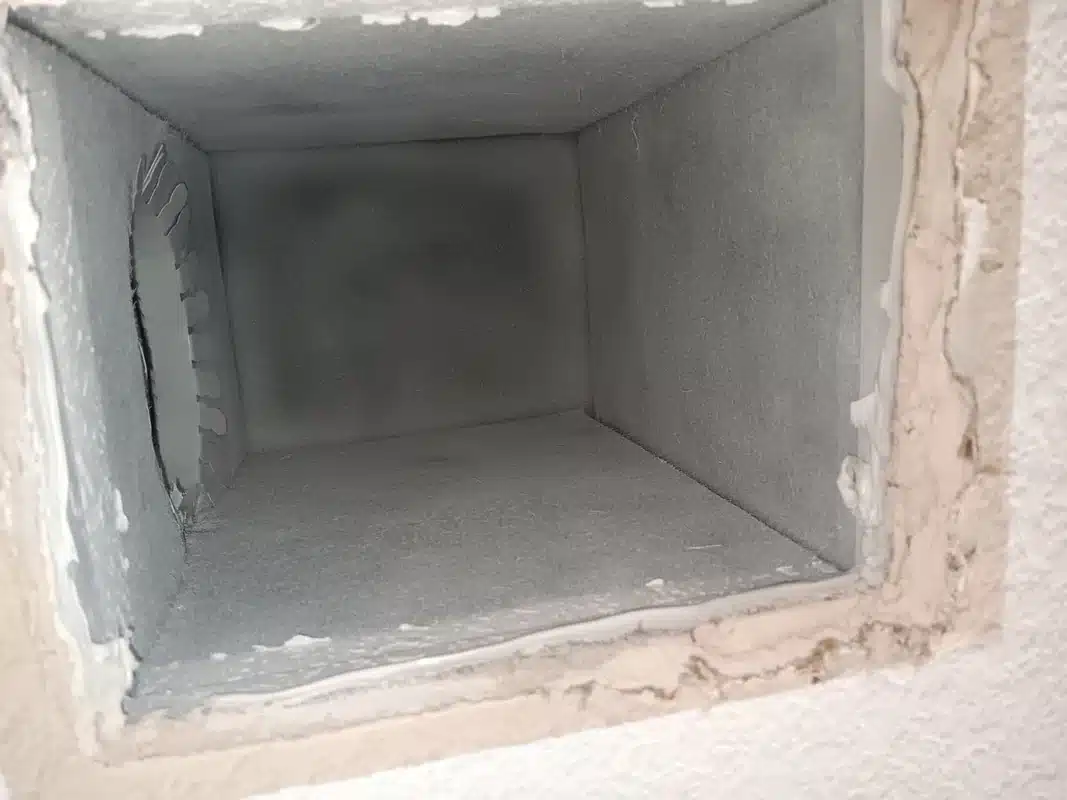
Effective mold remediation in HVAC systems follows strict containment, source removal, and verification steps. We isolate affected zones with 6-mil polyethylene barriers, maintain negative pressure with HEPA-filtered air scrubbers, and physically remove contamination using agitation tools. Skipping containment can spread spores throughout the home. The following standards guide proper remediation practices:
- EPA Mold Remediation in Schools and Commercial Buildings (2001, current guidance) – Establishes containment procedures, PPE requirements, and source removal principles. Non-compliance can result in cross-contamination, insurance claim denials, and unresolved health hazards.
- NADCA ACR Standard for Assessment, Cleaning, and Restoration of HVAC Systems (Current Edition) – Requires mechanical source removal, HEPA filtration, and post-cleaning verification. Failure to follow these standards can lead to failed inspections and ineffective cleaning.
- 2024 International Mechanical Code (IMC) Section 603 – Governs duct construction and materials. Damaged or mold-contaminated porous duct materials may require replacement to remain code-compliant. Ignoring this can create safety hazards and inspection failures.
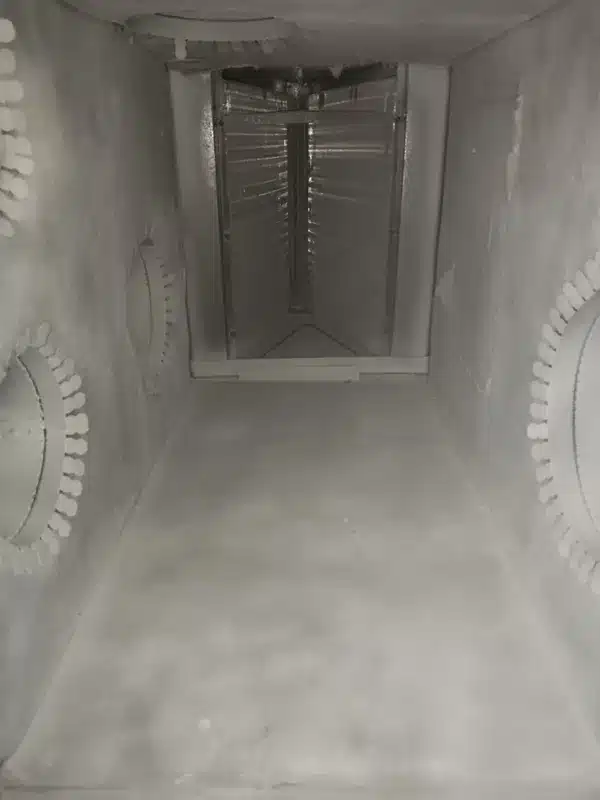
Budget planning and realistic timeframes.
Professional mold removal in air ducts delivers clear benefits for local homeowners who want cleaner air, better system performance, and long term savings. Every service begins with a detailed inspection using moisture meters, thermal imaging cameras, and fiber optic scopes to locate hidden contamination. This precise approach ensures we treat only the affected areas, which helps control costs and reduce unnecessary disruption to your home. A standard residential remediation typically takes 4-8 hours. More advanced situations that involve insulation removal or evaporator coil cleaning may require 1-2 full days. Moderate contamination often ranges from $700 to $2,500, while extensive projects that require duct replacement or heavy containment can range from $3,000 to $6,000 or more. Final pricing depends on factors such as:
- Accessibility of duct runs within walls, attics, or crawl spaces
- Material type, including sheet metal or fiberglass duct board
- Total scope of work, including coil cleaning or insulation replacement
Schedule a Professional Mold Assessment
If you suspect mold in your ductwork, do not wait for the problem to get worse. A quick glance inside a vent is not enough to protect your home or business. Our trained specialists use advanced camera systems, moisture detection tools, and proven containment methods that follow recognized industry standards. We identify the true source of contamination, explain our findings in clear terms, and provide straightforward recommendations you can trust. The sooner you act, the easier and more affordable the solution can be. Early detection helps prevent mold from spreading to your HVAC system, insulation, and living spaces, reducing health risks and costly repairs. You will receive a detailed plan, realistic timelines, and transparent pricing so you can move forward with confidence. If you notice musty odors, worsening allergies, or visible growth near vents, contact Local Air Duct Cleaners today. Schedule your professional inspection now and breathe easier knowing your air is clean and safe.
FAQs
How do I know if there is mold in my air ducts?
Common signs of mold in ductwork include a persistent musty odor that becomes noticeable when the HVAC system is running, visible discoloration around supply or return vents, and worsening allergy or respiratory symptoms while indoors. Some occupants report headaches, sinus congestion, coughing, or eye irritation that improves when they leave the home. To investigate, professionals often use a borescope camera inserted through existing access panels to inspect interior duct surfaces without major disruption. Dark spotting on sheet metal, streaking near seams, or fuzzy growth on internal duct liner are strong warning signs. Elevated moisture readings near cooling coils, drip pans, or plenums can further indicate conditions that support microbial growth. Recent water damage, roof leaks, plumbing issues, flooding, or a clogged condensate drain significantly increase the risk. Because accumulated dust and mold can appear similar to the untrained eye, laboratory analysis of a surface or tape sample may be necessary for accurate identification. A thorough inspection is the safest and most reliable way to determine whether the issue is harmless debris or active mold growth that requires professional remediation.
Is mold in air ducts dangerous to my health?
Mold exposure affects people in different ways, yet an HVAC system can easily spread microscopic spores to every room in a home. When mold develops inside ductwork or near air handling components, each heating or cooling cycle can circulate contaminated air. Individuals with asthma, seasonal allergies, chronic sinus issues, or weakened immune systems are often the first to notice symptoms. These may include persistent coughing, sneezing, nasal congestion, throat irritation, watery eyes, headaches, or general respiratory discomfort. In more sensitive individuals, prolonged exposure may trigger asthma flare ups or ongoing fatigue. Many homeowners report that symptoms lessen when they spend time outside the home, which strongly suggests an indoor air quality concern. Continuous exposure is the main risk because spores are repeatedly introduced into living spaces. Although not all mold species produce toxins, any active growth inside HVAC components indicates excess moisture and compromised air quality. Promptly identifying the moisture source, cleaning contaminated areas, and restoring proper ventilation helps reduce health risks while also preventing corrosion, airflow restriction, and premature system failure.
How much does it cost to remove mold from air ducts?
Costs typically range from $700 to $2,500 for moderate contamination in a standard residential HVAC system. Larger homes or more severe situations that involve insulation removal, evaporator coil cleaning, or partial duct replacement can increase the total investment to between $3,000 and $6,000 or more. Final pricing depends on several variables, including the overall size of the home, the layout and accessibility of the ductwork, the type of materials installed, and the extent of microbial growth or debris buildup present. Projects that require specialized containment barriers, negative air machines, antimicrobial applications, or detailed post-remediation verification testing will naturally involve higher costs. Systems constructed with rigid sheet metal ducts are generally easier and less expensive to clean than systems that use flexible ductwork routed through tight attic or crawl spaces. These figures serve as general benchmarks for budgeting purposes and are not a guaranteed quote. A thorough on-site inspection is necessary to assess conditions accurately and provide a detailed, written proposal.
Can I remove mold in air ducts myself?
Light surface dust around vent covers can usually be cleaned by homeowners using a vacuum with a HEPA filter and a damp cloth. However, visible or suspected mold growth inside ductwork is rarely a safe or effective do it yourself project. Proper remediation involves specialized equipment such as negative air machines with HEPA filtration, sealed containment barriers to prevent cross contamination, and mechanical agitation tools that physically dislodge embedded spores from interior surfaces. Simply spraying a disinfectant or fogging solution into vents does not address the root problem. In many cases, this approach spreads contamination deeper into the system and introduces additional moisture that can encourage further growth. We have seen situations where do it yourself fogging made indoor air quality worse because the underlying moisture issue, such as a roof leak or condensation buildup, was never corrected. If contamination is confined to a small, accessible section of smooth metal duct and the area can be thoroughly cleaned and completely dried, limited surface cleaning may be reasonable. However, porous materials like fiberglass duct board, internal insulation, or flexible duct liners often cannot be fully decontaminated. These materials typically require professional removal and replacement to prevent recurring mold growth and ongoing air quality concerns.
What causes mold to grow in air ducts?
Mold growth in HVAC systems occurs when three primary conditions are present: moisture, organic material, and stagnant air. These systems naturally collect dust and debris, which become a food source for mold once moisture is introduced. Common moisture sources include clogged condensate drain lines, dirty evaporator coils, and poorly insulated ductwork that sweats in humid environments. When ducts pass through unconditioned spaces such as attics or crawl spaces, temperature differences can create condensation that lingers if airflow is restricted. Indoor humidity levels above 60 percent further increase the likelihood of growth, especially during warmer months. We frequently trace contamination back to neglected maintenance. Evaporator coils that are not cleaned regularly can accumulate grime, allowing condensation to pool and persist. Roof leaks, plumbing leaks, or gaps around duct connections can also introduce hidden moisture into the system. Preventive measures include maintaining indoor humidity between 30-50 percent, replacing air filters on schedule, sealing and insulating ducts properly, and scheduling annual HVAC service that includes coil inspection and drain line cleaning. Promptly correcting any moisture issue is the most effective strategy to prevent mold from returning.
Does cleaning the ducts alone fix the problem?
Cleaning alone may not resolve a mold problem if the underlying moisture source is still present. Effective remediation starts with identifying why the growth developed in the first place and correcting those conditions. For instance, if condensation repeatedly forms on uninsulated metal ducts in an attic, simply wiping away visible growth will not stop it from returning. The ductwork must be properly insulated to control temperature differences and reduce moisture buildup. During remediation, we carefully inspect evaporator coils, drain pans, surrounding insulation, and nearby structural components to locate hidden moisture or microbial activity. In certain situations, an EPA-registered antimicrobial coating may be applied after thorough mechanical cleaning to help protect non-porous surfaces. However, porous materials such as insulation or drywall that are heavily contaminated typically need to be removed and replaced. Long-term success depends on correcting humidity imbalances, improving ventilation, and resolving drainage concerns along with removing the contamination source. Skipping these critical steps can lead to recurring growth, compromised indoor air quality, and unnecessary future expenses.
What should I look for when hiring a mold remediation company?
Look for technicians who are trained and certified under recognized industry standards such as NADCA ACR Standard for HVAC system cleaning. Proper insurance coverage, including both liability and workers compensation, is essential to protect you in case accidental damage or on site injuries occur during the project. Ask detailed questions about their process. Confirm that they use HEPA-filtered negative air machines, physical containment barriers, and source removal techniques rather than relying on surface treatments alone. A trustworthy provider should be willing to supply before-and-after documentation, including photos or video, to verify the work performed. A reputable company will also identify and explain the underlying moisture source that contributed to the issue and provide a clear written scope of work outlining each step. Be cautious of companies that depend solely on fogging or chemical sprays without mechanical cleaning. Clear communication about timelines, occupant safety precautions, and the possibility of insulation or duct replacement is equally important. Finally, request references or examples of past HVAC specific projects to ensure they have direct, relevant experience.
When should I schedule professional help for suspected mold?
Schedule an inspection if you notice persistent musty odors when your HVAC system is running, visible mold growth around vents or registers, or a sudden increase in allergy or respiratory symptoms while indoors. Although this situation is not usually considered an immediate emergency, postponing service can allow mold spores to circulate through the ductwork and spread to other areas of the home. Over time, this may lead to more extensive contamination and higher remediation costs. As a temporary measure, limit use of the HVAC system if possible, replace the existing air filter with a high quality pleated filter rated for fine particle capture, and keep indoor humidity levels below 50 percent to discourage further growth. Avoid touching or disturbing any visible mold, since brushing or vacuuming without a HEPA filtered device can release spores into the air. If your property has recently experienced leaks, flooding, or water intrusion, arranging a professional assessment quickly can help contain the issue and reduce long term repair expenses.