

How Long Does Air Duct Cleaning Take? Timeline for Homes and Businesses
March 10, 2026
- By
- Local Air Duct Cleaners
- Air Duct Cleaning Specialists
Air Duct Cleaning for most single-family homes typically takes between 2 to 5 hours, while larger homes and commercial buildings may require a full day or more. At Local Air Duct Cleaners, we’ve been helping homeowners improve HVAC performance and indoor air quality for years of experience, and we’ve noticed that timelines depend heavily on system size, contamination level, and accessibility. Many clients are surprised to learn that a rushed, one-hour “whole-house” cleaning rarely addresses the entire system properly. We’ve seen the consequences of shortcuts firsthand. One homeowner scheduled a discount service that finished in under an hour; weeks later, dust continued blowing from vents because the main trunk line and return plenum were never cleaned. Understanding what affects timing helps you avoid incomplete work. If you’re considering professional duct cleaning services, here’s what you should expect.
What Thorough Air Duct Cleaning Should Include

A realistic timeline starts with doing the job correctly. Thorough Air Duct Cleaning requires preparation, containment, agitation, and verification. When any of these steps are skipped, the job may look fast but won’t deliver measurable results. Professional best practices typically include:
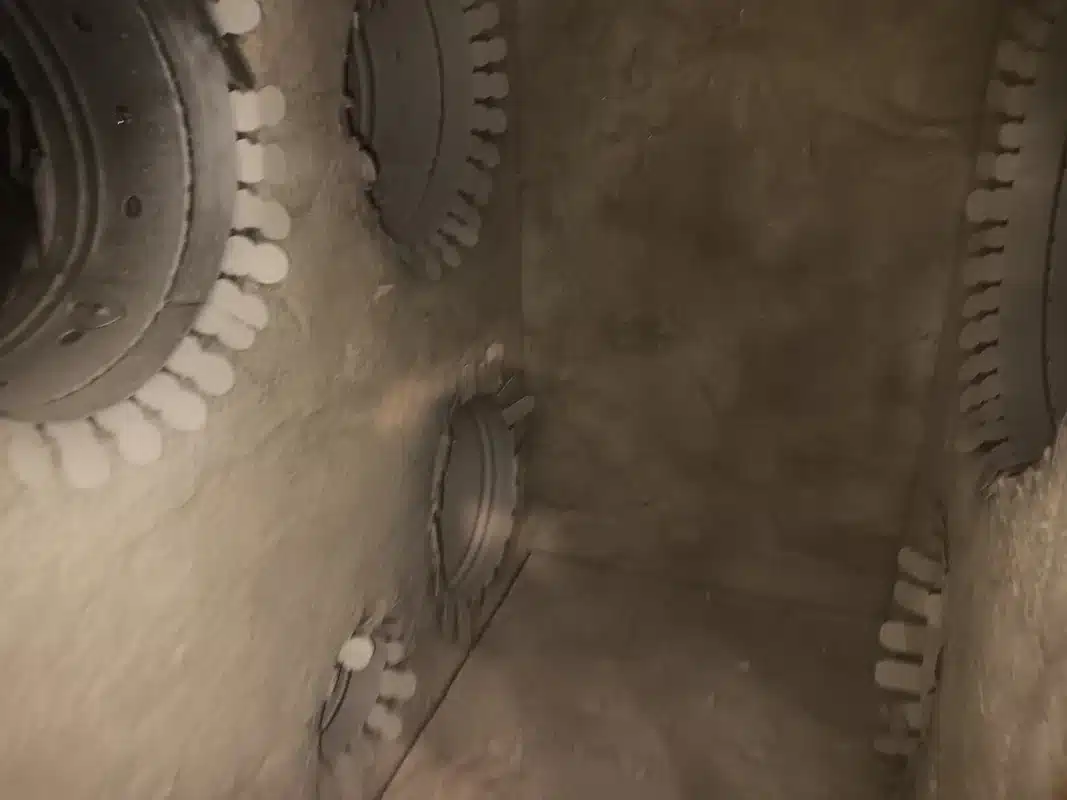
- Pre-inspection with camera or mirror to assess contamination levels
- Establishing negative pressure using a truck-mounted or high-powered portable vacuum
- Mechanical agitation with rotary brushes or compressed air tools
- Cleaning supply and return trunks, branch lines, and registers
- Wiping and vacuuming the blower compartment and accessible coils
- Optional post-cleaning verification
What Affects Duration and Budget for Homes and Businesses
Proper planning prevents surprises. Most residential Air Duct Cleaning projects fall into predictable time ranges, while commercial systems vary more widely due to size and zoning complexity. Typical time estimates:
- Small home or condo: 2 – 3 hours
- Average single-family home: 3 – 5 hours
- Large home with multiple systems: 5 – 8+ hours
- Commercial building: half-day to multiple days depending on square footage
- Site complexity and accessibility
- Material type (metal vs. flex duct)
- Total scope, including mold treatment or coil cleaning
Find Out What Your System Really Needs
If you’re unsure how long Air Duct Cleaning should take in your home or building, a quick evaluation can provide clarity. We assess system size, duct configuration, contamination level, and accessibility before recommending a timeline. That way, you know whether you’re looking at a few hours or a full-day project. We focus on complete-system cleaning that aligns with industry standards, not rushed appointments that leave debris behind. Whether you’re maintaining a single-family home or managing a larger property, we’ll walk you through what to expect, how long it should take, and why. Schedule a low-pressure consultation and get clear answers tailored to your HVAC system.
FAQs
How long does Air Duct Cleaning take for an average home?
For an average single-family home with one HVAC system and approximately 10 – 15 vents, professional air duct cleaning typically takes between 3 and 5 hours when performed by a trained two-person crew. The total time required depends on several factors, including the overall length and layout of the ductwork, the level of dust and debris buildup, and whether key components such as the blower motor, evaporator coil, and air handler are included in the service. Homes with multiple furnaces, larger square footage, or zoned systems often require additional time and may take most of a full day to complete properly. If the duct system has not been cleaned in many years, or if the home has recently undergone remodeling or construction, heavier contamination may be present and extend the cleaning time. A reputable company will begin with a thorough inspection and clearly explain which components will be cleaned and why. Be cautious of companies that promise to complete a full house service in under an hour, as this often means critical sections like trunk lines and the main air handler are not being properly addressed.
Does Air Duct Cleaning take longer if there is mold?
Yes. When mold is present or even suspected inside a duct system, the cleaning process typically takes longer because proper containment, safety precautions, and remediation procedures must be carefully followed. Technicians often need to isolate affected sections of the HVAC system to prevent cross contamination. This may involve sealing vents, establishing negative air pressure with HEPA filtered machines, and ensuring spores are not dispersed into other areas of the home during agitation and cleaning. In addition, EPA registered antimicrobial treatments may be applied when appropriate to address microbial growth. In some situations, laboratory testing or a detailed visual inspection is required before treatment can begin, which adds time to the overall project. Flexible ducts or insulation that show heavy contamination may need full replacement instead of surface cleaning. These added steps are essential for protecting indoor air quality and preventing future mold growth. Depending on the severity of the issue and the accessibility of the ductwork, mold related projects can extend the service by several hours or require a scheduled follow up visit to complete the work thoroughly and safely.
How much does Air Duct Cleaning cost and does timing affect the price?
Air Duct Cleaning for a typical residential property generally ranges from 300 to 700 dollars, depending on the size of the home and the number of vents and returns. Larger homes, multi-system properties, or houses with complex duct layouts often fall between 700 and 1500 dollars or more. Commercial buildings can vary significantly in cost because pricing depends on square footage, system design, accessibility, and the number of air handling units involved. Labor time plays an important role in overall pricing, as longer or more detailed projects require additional technician hours and specialized equipment. Costs may also increase based on system condition, duct material, and the total scope of services requested, such as coil cleaning, blower motor cleaning, or mold remediation treatments. Systems with heavy dust buildup, debris, or biological growth require more thorough agitation and extended vacuum time to ensure proper cleaning. These price ranges are general benchmarks for informational purposes only. A detailed on-site inspection is necessary to provide an accurate and customized estimate.
Can homeowners clean air ducts themselves to save time?
Homeowners can handle a few basic maintenance tasks, such as removing and washing vent covers, vacuuming around accessible openings, and replacing HVAC filters on a regular schedule. These steps can help reduce visible dust and improve short term airflow. However, full Air Duct Cleaning involves much more than surface level debris removal. Professional technicians use powerful negative air machines to create strong suction throughout the entire duct system, along with rotary brush systems and compressed air tools that dislodge buildup from deep inside trunk lines and branch ducts. Standard household shop vacuums simply do not have the strength or reach required to extract contaminants from long duct runs hidden behind walls and ceilings. In addition, attempting to push brushes or tools into flexible ductwork can damage the inner liner, loosen connections, and create costly air leaks. While do it yourself efforts may provide minor cosmetic improvement, they do not address the full HVAC system. For thorough cleaning that meets industry guidelines and protects system performance, hiring trained professionals remains the safest and most effective choice.
What signs indicate my air ducts need cleaning soon?
Watch for visible dust blowing from vents when the system starts, as this often signals that debris has collected inside the ductwork and is being pushed into living areas. Persistent musty or stale odors when the heating or cooling system runs can indicate moisture buildup or organic growth within the ducts. Increased allergy or respiratory symptoms indoors, especially when they improve outside the home, may also suggest circulating contaminants. Uneven airflow between rooms is another common warning sign, since blockages or heavy dust accumulation inside branch lines can restrict proper distribution. After remodeling or construction projects, fine drywall dust and other particles frequently settle inside trunk lines and should be professionally addressed. If you remove a register cover and notice matted debris, dark buildup, or visible clumps of dust, that is a clear indicator of contamination. Rising energy bills without changes in usage can also point to restricted airflow that forces the system to work harder. While regular filter replacement helps reduce debris, it does not eliminate buildup deep within ducts. When several of these signs appear together, scheduling a thorough inspection is a practical and proactive next step.
Why do some companies finish so much faster than others?
Faster service calls often signal that important steps are being skipped. In many cases, a short appointment means the crew is cleaning only the supply vents while ignoring return ducts, main trunk lines, blower components, or the air handler cabinet. Each of these parts collects dust and debris over time, and leaving them untouched can limit the effectiveness of the cleaning. Some companies also rely on low powered equipment that cannot generate strong negative pressure, which is essential for pulling contaminants out of the system rather than allowing them to spread into the home. A thorough cleaning requires preparation, including protecting floors and furnishings, creating access panels when necessary, using mechanical agitation tools, and performing detailed vacuuming of every section. Professionals who follow NADCA standards clean the entire HVAC system as a connected unit. While a quick appointment may seem convenient, it can result in incomplete work. Always ask what tools will be used and which components are included so you can compare services based on quality instead of speed alone.
What should I look for when hiring an Air Duct Cleaning company?
Look for companies that follow NADCA standards and carry proper licensing and insurance to protect your property. A reputable provider should be willing to explain their process in detail and confirm that they clean the entire HVAC system, not just the visible vents. This includes supply and return ducts, the blower motor, coils, and other internal components that affect airflow and air quality. Technicians should use commercial grade negative air machines along with HEPA filtration to capture debris safely and prevent contaminants from spreading through the home. Ask for a written estimate that clearly outlines the full scope of work rather than offering a flat or vague price. Transparent companies often provide before and after photos or video inspections so you can see the results for yourself. Be cautious of providers who promise extremely fast service times or pressure you into costly add ons without first performing a proper inspection. Professional crews should protect flooring and furnishings, seal access panels correctly after service, and communicate clearly about scheduling, findings, and next steps.
When should Air Duct Cleaning be scheduled urgently?
Air Duct Cleaning is not usually considered an urgent service, but there are specific circumstances where prompt attention is important. Following fire damage, smoke and soot particles can settle inside the ductwork and continue to circulate throughout the home, creating persistent odors and potential respiratory irritation. Water damage is another situation that requires timely action, since moisture trapped in ducts can encourage mold and microbial growth. Large renovation or remodeling projects that produce significant drywall dust, sawdust, or debris can also contaminate the system and justify scheduling a cleaning as soon as possible. If you see visible mold growth inside the ducts, notice unusual debris blowing from vents, or detect strong musty odors when the HVAC system operates, arrange for a professional inspection without delay. While waiting for service, replace HVAC filters regularly and consider limiting system use if heavy contamination is suspected. Taking early action helps prevent pollutants from spreading, protects indoor air quality, and reduces the risk of further system contamination or damage.