

Air Conditioner Cleaning in Kissimmee, FL Guide for Healthier, Efficient Cooling
April 8, 2026
- By
- Local Air Duct Cleaners Kissimmee
- HVAC and Air Quality Specialists
Air conditioner cleaning isn’t optional in Kissimmee – it’s a core part of protecting your air quality, equipment lifespan, and energy bills. At Local Air Duct Cleaners Kissimmee, we’ve handled air conditioner cleaning for years of experience, and we’ve seen how quickly neglected systems lose efficiency in Florida’s heat and humidity. Our team will walk you through exactly what matters and why. We’ve opened units where the evaporator coil was packed with biofilm and dust, forcing the system to run longer and driving up utility costs. In one Kissimmee home, a clogged drain line led to ceiling damage that cost far more than routine maintenance. If you’re also concerned about airflow and buildup inside the duct system, start with professional duct cleaning services to address the full system.
What Professional-Grade Service Should Include
The most effective air conditioner cleaning focuses on airflow, heat transfer, and moisture control. We approach every system as a connected assembly, not isolated parts. Skipping one component often leaves the root issue unresolved. A comprehensive service typically includes:
- Shutting off power at the disconnect and verifying with a multimeter
- Removing and cleaning the blower wheel with a soft-bristle brush and approved degreaser
- Applying a non-corrosive evaporator coil cleaner and confirming proper condensate drainage
- Flushing the drain line with controlled pressure and checking the trap
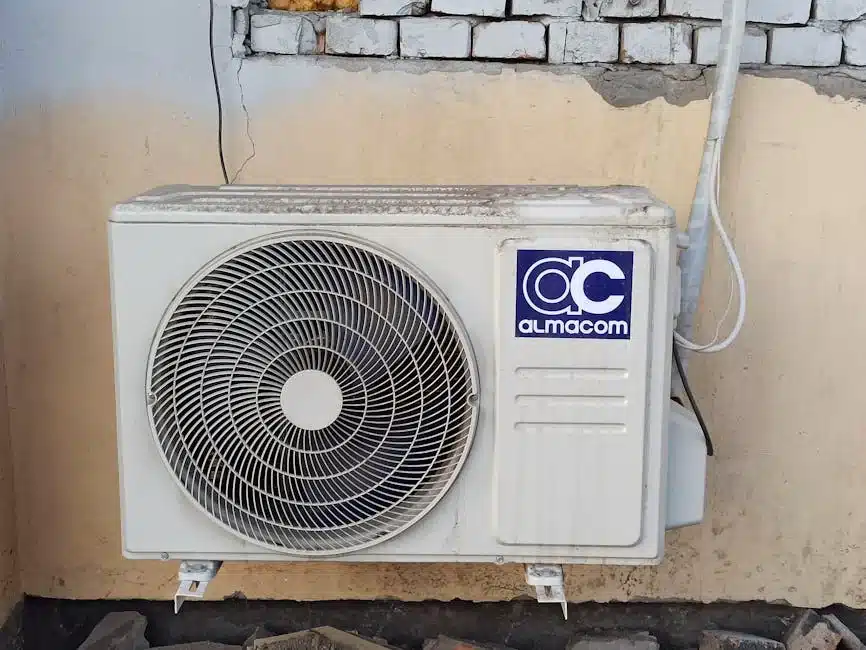
- Cleaning the outdoor condenser coil with low-pressure water to protect fins
Avoiding Shortcuts That Lead to Bigger Repairs
Most problems we correct stem from partial cleanings or improper chemicals. Using high-pressure water on condenser fins can bend them, reducing airflow. Spraying harsh acidic cleaners on coils can corrode aluminum and shorten equipment life. Manufacturers such as Carrier and Trane specify non-acidic, coil-safe cleaners in their maintenance literature. One homeowner tried to clear a clogged drain line with excessive air pressure. The fitting separated inside the wall cavity, leading to hidden moisture damage. A controlled nitrogen or low-pressure flush is safer and more precise. Typical timeframes:
- Standard residential cleaning: 1.5 to 3 hours
- Systems with heavy buildup or mold: may extend to half a day
- Basic AC cleaning may range from $150 – $350
- Deep cleaning with coil removal or mold treatment could range from $400 – $900+
Schedule a Practical System Check
If your AC runs longer than it should, smells musty, or struggles to control humidity, a focused evaluation can prevent larger repairs. We inspect coils, airflow, and drainage so you understand exactly what your system needs – and what it doesn’t. Our team provides clear findings and realistic options without pressure. Whether your goal is better efficiency or improved indoor air quality, we’ll help you plan the next step with confidence.

FAQs
How often should air conditioners be cleaned in Kissimmee?
In Kissimmee’s humid climate, most residential systems benefit from a professional cleaning at least once per year. Homes near construction, lakes, or with pets may require more frequent service because dust and organic debris accumulate faster on coils and blower components. We often recommend scheduling cleaning before peak cooling season so the system operates efficiently during extended summer run times. If you notice reduced airflow, rising energy bills, or musty odors, don’t wait for your annual interval. High humidity accelerates microbial growth on evaporator coils, so consistent maintenance directly protects indoor air quality and system lifespan.
What parts of the AC system are actually cleaned?
A thorough cleaning addresses the evaporator coil inside the air handler, the blower wheel, the condensate drain line and pan, and the outdoor condenser coil. We also inspect accessible duct connections for buildup or microbial growth. Simply rinsing the outdoor unit does not address indoor airflow restrictions. The evaporator coil is especially critical because it handles moisture removal. When coated with dust or biofilm, it cannot absorb heat effectively. We use coil-safe, non-acidic cleaners and controlled rinsing methods to protect aluminum fins and internal components while restoring proper heat exchange.
How much does professional air conditioner cleaning cost and how long does it take?
In Kissimmee, professional AC cleaning typically starts around $150 and may range up to $350 for standard systems. More complex jobs involving heavy buildup, coil removal, or microbial treatment could reach $400 – $900 or more. Most residential appointments take between 1.5 and 3 hours, though severe cases may require additional time. Final pricing can vary based on site complexity, material costs, and total scope of work. Larger homes or systems with limited access often require more labor. These figures are preliminary benchmarks for informational purposes only and do not constitute a binding quote. An on-site evaluation is required for a final proposal.
Can homeowners clean their own air conditioners?
Homeowners can safely replace filters, gently rinse accessible condenser coils with low-pressure water, and keep debris cleared around the outdoor unit. However, accessing the evaporator coil, blower assembly, and internal drain components requires careful disassembly and electrical safety precautions. Improper cleaning can bend fins, damage insulation, or create electrical hazards. We’ve seen cases where aggressive chemicals caused corrosion that shortened coil life. If the issue involves mold, drainage backups, or airflow testing, professional service is the safer option. Routine DIY upkeep combined with periodic professional cleaning provides the best long-term results.
What are signs my AC needs cleaning right now?
Immediate indicators include a musty smell when the system starts, visible water around the air handler, inconsistent temperatures between rooms, or noticeably weak airflow from multiple vents. Rising energy bills without thermostat changes also suggest restricted heat transfer. If you remove the access panel and see heavy dust buildup on the coil surface, that’s another clear signal. In Kissimmee’s humidity, even small clogs in the drain line can escalate into water damage. Addressing these warning signs quickly helps prevent compressor strain and protects indoor air quality.
What AC problems are most common in Kissimmee?
High humidity drives many service calls in Kissimmee. We frequently see clogged condensate lines, microbial growth on evaporator coils, and reduced airflow due to persistent moisture. Systems often run long cycles, which increases wear on blower motors and capacitors. Outdoor units also collect pollen and fine debris that restrict condenser airflow. Because cooling seasons are extended, maintenance intervals matter more here than in milder climates. Proactive coil cleaning and drainage checks significantly reduce the risk of water intrusion and efficiency loss in this region.
What should I look for when hiring an AC cleaning professional?
Look for companies that follow NADCA or recognized HVAC cleaning standards, carry liability insurance, and explain their cleaning process in detail. A professional should discuss coil access, chemical types, drainage checks, and post-cleaning performance verification. Be cautious if a provider offers extremely low pricing without inspecting the system; proper cleaning requires time and safe handling of electrical components. Ask whether they measure temperature split or airflow to confirm results. Clear documentation and transparent scope descriptions help ensure you receive thorough, not superficial, service.
When is air conditioner cleaning urgent?
While not typically an emergency, certain situations require prompt scheduling. Active water leaks around the air handler, persistent musty odors, or repeated drain line clogs should be addressed quickly to prevent structural damage or mold growth. If the system shuts off due to overheating or airflow restrictions, turn it off at the thermostat and breaker to avoid compressor strain. Keep the area around the unit dry and avoid running the system until inspected. Early intervention limits repair costs and protects both equipment and indoor air quality.