
You might not see it, but black mold could be hiding in your home right now. As someone who’s worked in air quality for years, I’ve seen what this stuff does to families. It’s not just ugly. It can make you seriously sick. The spores travel through your air ducts and spread throughout your living space. Many people don’t realize their health issues stem from black mold until it becomes a bigger problem. Let’s talk about why this happens and what you can do about it.
What Is Toxic Black Mold and Why Is It Dangerous
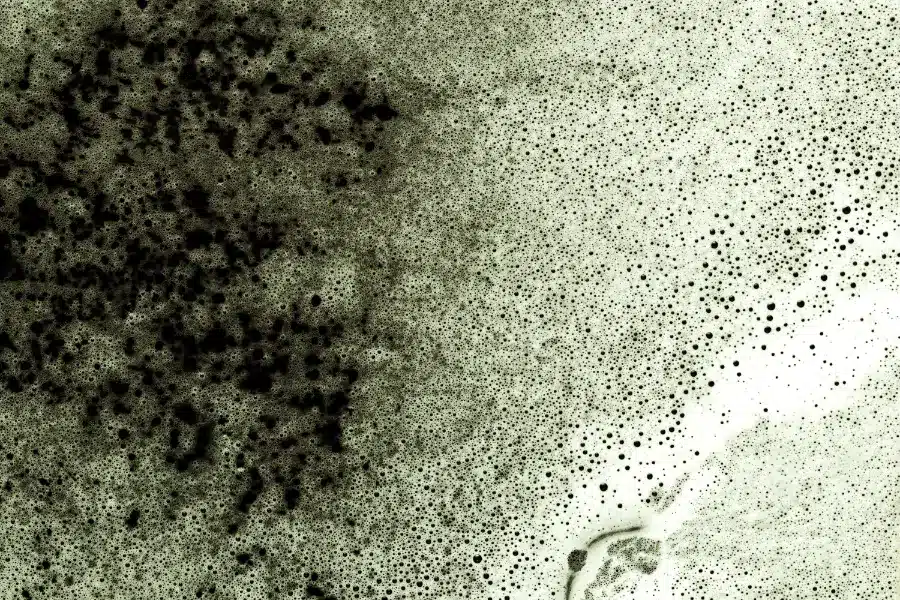
Toxic black mold, known scientifically as Stachybotrys chartarum, is a greenish-black fungus. It thrives in damp, humid environments. I’ve found this stuff lurking behind walls, under sinks, and especially in air duct systems. This type produces mycotoxins. These are harmful substances that become airborne when disturbed.
When you breathe in these spores, your body reacts. Some people experience mild irritation. Others face severe respiratory problems. The danger increases when black mold goes undetected for long periods. Your HVAC system can actually spread these spores to every room. That’s why catching it early matters so much for your family’s wellbeing.
Common Causes of Mold Growth in the Home
Mold growth in the home happens when conditions are just right. It needs three things: moisture, warmth, and organic material to feed on. I’ve walked into countless homes where small leaks created perfect breeding grounds. A dripping pipe under the bathroom sink. Condensation around air vents. Even high humidity levels can trigger the causes of growth.
Poor ventilation makes everything worse. When air doesn’t circulate properly, moisture gets trapped. This is especially common in basements, bathrooms, and laundry rooms. Your air ducts are another hotspot I always check. Dark, often damp, and full of dust, they’re basically paradise for black mold if you’re not careful.
Where Mold Grows Most Often
In my experience, certain spots attract problems more than others. Check these areas regularly:
- Behind drywall near plumbing fixtures
- Around window frames with condensation
- Inside air ducts and HVAC systems
- Under carpets in basements
- Around the refrigerator drip pans
Black mold particularly loves cellulose-rich materials. Think drywall, wood, and ceiling tiles. Once it establishes itself, it spreads fast. I’ve seen small patches turn into major infestations within weeks. The key is catching moisture problems before it grows out of control. Regular inspections of these trouble spots can save you major headaches down the road.
Recognizing the Symptoms of Mold Exposure
The symptoms of exposure often mimic other conditions. That’s what makes diagnosis tricky. People come to me after months of mysterious health issues. They’ve seen doctors, tried medications, and nothing helps. Then we find black mold spores in their air ducts, and suddenly it all makes sense.
Common reactions include persistent coughing and sneezing. You might notice itchy, watery eyes. Headaches and fatigue are frequent complaints, too. Some people develop skin rashes or experience difficulty breathing. If your black mold symptoms improve when you leave home and return when you come back, that’s a major red flag.
How Mold Allergies Affect Your Body
Allergies happen when your immune system overreacts to spores. Your body sees them as invaders and fights back hard. This triggers inflammation in your airways and sinuses. For people with asthma, exposure to black mold can cause serious attacks that require medical attention.
I’ve worked with families where kids couldn’t stop wheezing. Adults developed chronic sinus infections that lasted for months. The body stays in constant defense mode when exposed repeatedly. This ongoing stress weakens your overall immune system over time. That’s why removal is so important. Treating symptoms alone won’t solve anything if you’re still breathing in spores daily.
The Health Risks of Prolonged Exposure to Black Mold
Prolonged exposure creates compounding health risks that get worse over time. Short-term contact might cause temporary discomfort. But living with toxic mold for months or years is completely different. The mycotoxins build up in your system gradually. Your body struggles to process them effectively.
Serious consequences can include chronic respiratory conditions. Some studies link long-term exposure to memory problems and mood changes. Children and elderly family members face even greater dangers from black mold growth. Their immune systems aren’t as robust. I always urge people not to wait when they suspect a problem. The longer you delay, the worse the health impacts become.
How to Prevent Black Mold Exposure in Your Home
Preventing black mold exposure starts with controlling moisture in mold in your home. Fix leaks immediately, no matter how small they seem. Use exhaust fans in bathrooms and kitchens religiously. Keep indoor humidity below 50 percent at all times. I recommend getting a simple hygrometer to monitor levels.
Clean and inspect your air ducts regularly. This is something many homeowners overlook completely. Dust and debris accumulate over time, creating food sources. Good ventilation throughout your home makes a huge difference. Consider running a dehumidifier in problem areas like basements. These simple steps go a long way in keeping black mold under control.
Request A Service
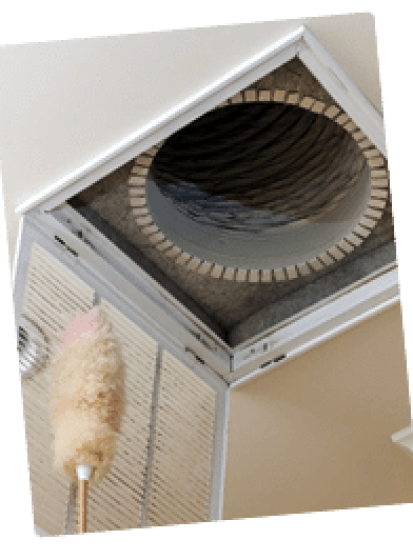
Sometimes DIY cleaning isn’t enough for serious problems. If you’re dealing with black mold covering more than ten square feet, call professionals immediately. The same goes for any indoor mold inside your HVAC system or air ducts. This isn’t a job for regular household cleaners.
Remediation experts have specialized equipment for safe removal. They contain the area to prevent spore spread during the process. They also identify the moisture source causing the problem. I’ve seen people clean visible fungi only to have it return within weeks. Professionals address root causes, not just symptoms. If you’re experiencing persistent reactions, professional help is worth every penny.
Keeping Your Family Safe From Indoor Mold
Black mold is a serious threat you shouldn’t ignore under any circumstances. I’ve dedicated my career to helping families breathe cleaner air in their homes. The health problems associated with exposure are real and sometimes severe. But here’s the good news, they’re also completely preventable with the right approach.
Stay vigilant about moisture throughout your home. Inspect potential problem areas regularly for any signs of trouble. Address small issues before they become big ones. If you suspect fungus anywhere, don’t wait to take action. Your family’s health depends on the air quality inside your home. Take control of it today.
Frequently Asked Questions
Q: Can black mold make you sick even if you can't see it?
A: Absolutely. It often grows in hidden spaces like inside walls, under flooring, and in air ducts. You might breathe in spores for months without knowing the source. If you’re experiencing unexplained respiratory issues or allergic reactions, hidden growth could be the culprit. Professional testing can detect spores even when visible signs aren’t present.
Q: How quickly can black mold affect your health?
A: Some people notice symptoms within hours of exposure. Others may take days or weeks to feel effects. It depends on your sensitivity and the concentration of spores. People with existing allergies or asthma typically react faster. Even healthy individuals can develop problems with continued exposure over time.
Q: Is black mold more dangerous than other types of mold?
A: It produces mycotoxins that other common household molds don’t. These toxins can cause more severe reactions in many people. However, all mold types can trigger allergies and respiratory issues. The key is addressing any mold problem quickly, regardless of the specific type you’re dealing with.
Q: Can air purifiers help with black mold in my home?
A: HEPA air purifiers can capture airborne spores and reduce your exposure somewhat. However, they don’t eliminate the source of the problem. Think of them as a helpful tool, not a complete solution. You still need to remove the actual growth and fix moisture issues for lasting results.