
Ever wonder why your energy bills keep climbing? Your ducts might be the sneaky culprit. Picture this – your HVAC works overtime heating or cooling air. But bare metal ducts let that precious air lose temperature fast. That’s where insulated ductwork becomes your home’s best friend. Let’s talk about why this upgrade changes everything for comfort and savings.
Why Insulated Ductwork Is Essential for HVAC System Efficiency
Your HVAC system only works as well as its delivery method. When conditioned air travels through unprotected ducts, temperature loss happens quickly. Cool air warms up in summer before reaching your rooms. Winter brings the opposite problem.
This constant temperature loss makes your system work harder than necessary. Longer cycles mean more wear on components. Plus, condensation becomes a real problem without proper protection. Moisture collects on cold duct surfaces, creating rust and mold risks.
Smart homeowners know that insulated ductwork prevents these issues completely. It keeps your conditioned air at the right temperature throughout its journey. Your system runs efficiently, and you avoid costly repairs down the road.
Energy Efficiency Benefits of Proper Duct Insulation
Here’s where your wallet gets happy. Properly wrapped ducts cut energy waste by up to 30%. That’s serious money saved every single month.
The concept is straightforward – insulation blocks temperature transfer between conditioned air and outside temperatures. Your furnace or AC stops compensating for losses. You’ll see these benefits:
- Lower monthly utility costs
- Reduced environmental impact
- Less equipment strain
- Consistent room temperatures
- Fewer repair needs
Most people see payback within two to three years. After that, you’re banking pure savings. The investment in insulated ductwork pays for itself while keeping you comfortable year-round.
Superior Performance Benefits of Insulated Air Ducts
Beyond saving money, you’ll notice comfort improvements right away. Rooms maintain steady temperatures all day long. Hot spots disappear in summer, and cold zones vanish in winter.
Noise reduction surprises many homeowners too. Insulated ductwork quiets those whooshing air sounds significantly. It also dampens vibrations from equipment operation. Your home becomes peaceful, especially during nighttime hours.
The material prevents moisture-related problems too. Without condensation buildup, rust and corrosion can’t take hold. Air quality stays healthy, and your system runs cleaner for years. These performance benefits make the upgrade worthwhile beyond just energy savings.
Outdoor Applications for Phenolic Duct Insulation Products
Sometimes ducts run through tough spaces like attics or crawlspaces. These unconditioned areas need specialized insulation materials that can handle extreme conditions.
Phenolic foam boards deliver exceptional thermal resistance in harsh environments. They’re lightweight but incredibly tough. The material fights off moisture, fire, and pest damage effectively. Installation stays simple – panels wrap around existing ducts without hassle.
Commercial buildings often choose phenolic products for rooftop installations. The material handles temperature swings and weather exposure like a champ. Performance stays consistent through years of sun, rain, and wind.
Request A Service
Selecting the right insulation depends on your unique situation. Climate, duct location, and budget all matter here. Professional assessment helps identify your best path forward.
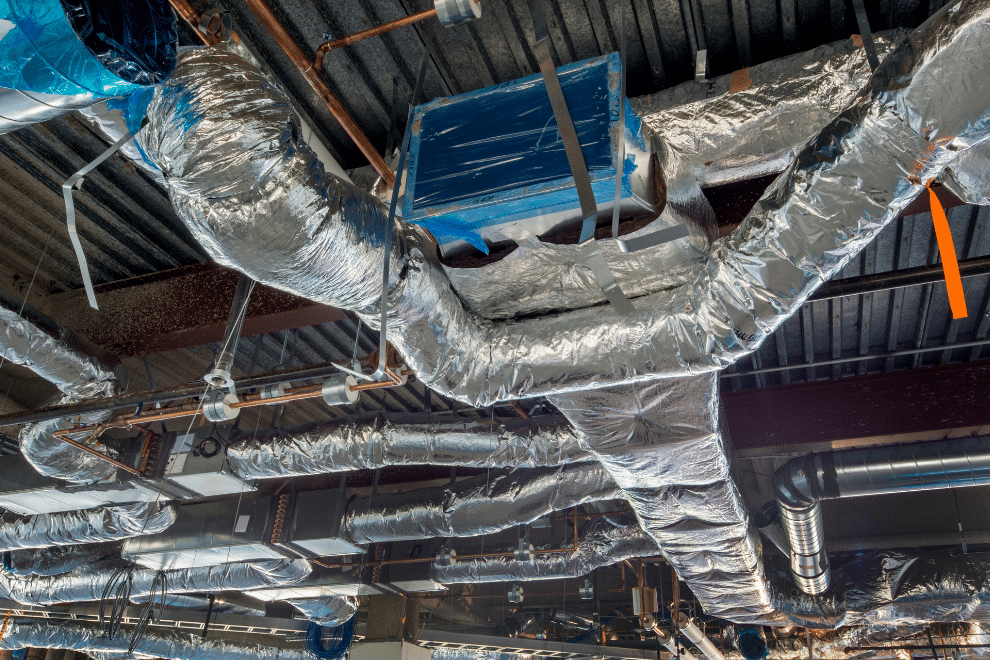
Flexible duct wraps work great for retrofit projects. They conform to odd shapes and squeeze into tight spaces. Rigid boards suit new installations or major renovations better. Both deliver excellent results with proper installation.
Remember to seal gaps before adding any insulation material. Even tiny leaks waste energy over time. Complete sealing plus insulated ductwork maximizes your investment return quickly.
Most projects wrap up in just one or two days. Comfort and savings start immediately after installation.
Frequently Asked Questions
How much does it cost to insulate existing ductwork?
Most homeowners spend between $1,500 and $3,000 for whole-house duct insulation. The price depends on duct accessibility, home size, and material choice. Attic or crawlspace ducts cost more due to tough access. While it seems pricey upfront, remember you’ll save 20-30% on energy bills. Most people recover their investment within three years through lower utility costs.
Can I install duct insulation myself, or should I hire a professional?
DIY installation is possible for accessible ducts using wrap-style insulation. However, professionals ensure proper sealing, correct R-values, and building code compliance. They also spot hidden problems like leaks or damage. Mistakes during DIY installation can cause condensation issues or reduced efficiency. For best results and warranty protection, hiring certified HVAC technicians makes sense for most homeowners.
How do I know if my ductwork needs better insulation?
Check for these telltale signs: rooms that won’t stay comfortable, high energy bills, or ducts that feel hot or cold to touch. Visible condensation or rust on ducts signals urgent insulation needs. Also, if your HVAC runs constantly without maintaining temperature, poor duct insulation is likely the culprit. An energy audit can confirm your suspicions professionally.