

My name is Carlos Martinez, and after over a decade working as a Lead Technician in Florida’s HVAC industry, I’ve crawled through countless attics and ceiling spaces examining ductwork systems. Most homeowners have no idea what’s actually running through their walls and ceilings. I’m talking about the network that controls their comfort year-round. These hidden pathways move conditioned air from your heating and cooling equipment to every room in your home. Understanding how this system works can save you hundreds on energy bills and prevent indoor air quality problems that I see way too often in Kissimmee homes.
Understanding Your Home's Air Duct System
Air ducts are basically the respiratory system of your house. Think of them as hollow tubes that create pathways for heated or cooled air to travel from your HVAC unit to each room and back again. The supply side pushes conditioned air out through vents, while the return side pulls air back to be reconditioned. I’ve noticed many homeowners don’t realize there’s a complete loop happening. The entire cycle runs continuously when your system operates.
A proper duct system includes more than just the visible vents you see on walls or ceilings. Behind those grilles, there’s an entire network of trunk lines, branch lines, and plenums working together. The trunk line is your main highway – typically the largest duct running from your air handler. Branch lines split off like exit ramps to serve individual rooms. During installations, I always verify static pressure using a manometer. Most DIY attempts skip this critical step, which leads to poor airflow and wasted energy.
Common Types of Air Ducts Found in Florida Homes
Over my years in the field, I’ve worked with every duct type imaginable. Each has specific applications based on your home’s layout and your HVAC system requirements.
Sheet Metal Ductwork
Sheet metal represents the gold standard for ductwork installations. I primarily use galvanized steel because it resists rust in Florida’s humid climate better than alternatives. These rigid ducts maintain their shape permanently and don’t sag over time like flexible options. When I install sheet metal, I seal all joints with mastic sealant, never duct tape despite the name. Real professionals know tape fails within a few years in hot attics.
The gauge thickness matters more than homeowners realize. I typically spec 26-gauge for residential trunk lines and 28-gauge for branches. Thinner metal conducts sound more readily and can develop drumming noises. Rectangular duct works well for tight ceiling spaces, while round metal maximizes airflow efficiency.
Flexible Duct Options
Flexible duct has its place, mainly for final connections to individual vents where rigid ductwork would be impractical. The inner core is usually wire coil wrapped in plastic and insulation. I’ve seen too many amateur installations where flexible duct gets compressed, kinked, or allowed to sag. Each bend reduces airflow capacity significantly.
Proper flexible duct installation requires full extension and support every four feet maximum. When I connect flex to metal plenums, I secure it with drawbands and mastic, creating an airtight seal. The R-value of duct insulation matters tremendously in unconditioned attic spaces where temperatures hit 140 degrees in summer.
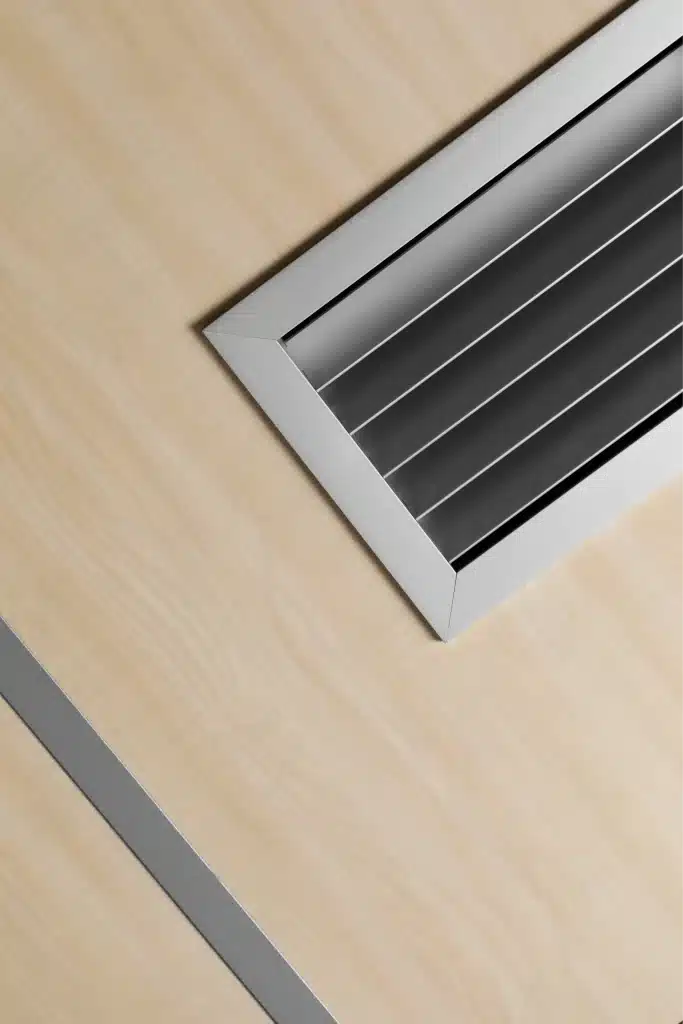
How HVAC Ductwork Delivers Conditioned Air
The delivery process involves careful pressure balancing that most people never consider. Your HVAC air handler creates positive pressure in supply ducts and negative pressure in return pathways. This pressure differential drives air movement throughout your home. I measure this using differential pressure sensors during commissioning to ensure proper system performance.
Airflow velocity through ducts typically ranges between 600 to 900 feet per minute in residential systems. Go faster and you create noise problems. Go slower and you waste duct space and materials. The friction rate – how much pressure drops per 100 feet of duct – determines sizing requirements. I calculate this using Manual D protocols, though many contractors skip these engineering steps.
Every turn, fitting, and register creates resistance called static pressure loss. My goal during duct design is minimizing unnecessary bends while maintaining proper air distribution. A well-designed duct system operates quietly and efficiently, delivering consistent temperatures to every room.
Essential Regulations for Duct Installation in Florida
Florida’s climate creates unique challenges that state codes address specifically. These regulations exist to prevent the moisture problems and efficiency losses I’ve seen ruin systems.
- Florida Building Code: Mechanical (2023) – Requires proper duct sealing, insulation values, and sizing calculations. Consequences: failed inspections and callback warranties.
- Florida Energy Conservation Code (2023) – Mandates minimum R-6 insulation for attic ducts and maximum leakage rates. Consequences: higher utility bills and reduced equipment lifespan.
- SMACNA HVAC Duct Construction Standards – Establishes industry best practices for duct fabrication and installation. Consequences: premature system failures and comfort complaints.
Non-compliance creates problems beyond fines. I’ve remediated systems where improper installations led to condensation damage, mold growth, and complete ductwork replacement. Always verify your contractor pulls proper permits and follows current code requirements.
Signs Your Air Ducts Need Professional Cleaning
Dirty ductwork affects more than just air quality. I’ve measured efficiency losses exceeding 30% in severely contaminated systems. Here’s what I look for during inspections:
- Visible dust blowing from vents when the system starts
- Musty odors that worsen when heating or air conditioning runs
- Uneven room temperatures despite proper thermostat settings
- Excessive dust accumulation on furniture shortly after cleaning
When I scope ducts with my inspection camera, I often find construction debris, rodent nesting, and thick dust layers that developed over years. One Kissimmee client had completely blocked return vents from pet hair accumulation. Their system worked twice as hard to pull air through those restrictions.
Professional duct cleaning services use negative air machines that create powerful suction while brushes dislodge debris. The process differs completely from the cheap truck-mounted systems advertised for $99. I recommend cleaning every 3 to 5 years for typical homes, or sooner if you’ve had water damage or renovation work.
Maintaining Clean Air Ducts for Better Indoor Air Quality
Regular maintenance prevents most problems I encounter. Start by changing your filter monthly during peak cooling season. A clogged filter forces your system to pull air through duct seams instead, drawing in attic contaminants. I use MERV 8 filters for most applications – higher ratings restrict airflow unless your system was specifically designed for them.
Inspect accessible ductwork twice yearly for visible damage, disconnected sections, or insulation problems. Seal small gaps immediately using mastic sealant or aluminum foil tape designed for HVAC applications. Never use cloth-backed duct tape regardless of the name.
Consider upgrading to insulated supply vents in rooms where temperature consistency matters most. These reduce condensation problems while improving delivery efficiency. I’ve installed UV lights in several client systems to control biological growth within ductwork. The investment pays off through reduced cleaning frequency and better indoor air quality year-round.
Request A Service
Frequently Asked Questions
What are air ducts made of in most homes?
Most residential systems use galvanized sheet metal for trunk lines and branches, combined with flexible duct for final connections to registers. Sheet metal provides durability and maintains shape over decades. Flexible options work well for tight spaces and short runs. Some older homes have fiberboard or fiber duct, but these materials trap moisture and aren’t recommended anymore. The material choice affects efficiency, longevity, and indoor air quality significantly.
How often should air ducts be professionally cleaned?
I recommend professional cleaning every 3 to 5 years for typical homes. However, you should clean sooner if you notice visible mold growth, excessive dust buildup, or after major renovations. Homes with pets, smokers, or allergy sufferers benefit from more frequent cleaning. Recent water damage or pest infestations also require immediate attention. Regular filter changes between professional cleanings help maintain system cleanliness and reduce contaminant accumulation throughout your pathways.
Can I clean my own air ducts without professional help?
While you can clean visible vent covers and accessible areas, thorough cleaning requires professional equipment. DIY methods can’t reach deep into trunk lines or create the negative pressure needed to extract embedded debris. I’ve seen homeowners damage insulation or dislodge connections trying to clean themselves. Professional services use specialized brushes, high-powered vacuums, and inspection cameras to ensure complete cleaning. The investment protects your system and provides better results than consumer-grade equipment.
What causes poor airflow from my vents?
Poor airflow usually stems from multiple issues. Clogged filters are the most common culprit, restricting system capacity by up to 50 percent. Disconnected or crushed sections in your attic reduce delivery to specific rooms. Undersized pathways create excessive resistance that your system can’t overcome. Closed or blocked registers also limit distribution. I always check damper positions, filter condition, and system pressure during diagnostics. Sometimes the issue is simply a failing blower motor rather than the pathways themselves.
Do air ducts really affect my energy bills?
Absolutely. Leaky or poorly insulated pathways waste 20 to 30 percent of your heating and cooling energy. I’ve measured supply temperatures dropping 15 degrees between the handler and registers due to inadequate insulation. Every gap or hole allows conditioned temperatures to escape into unconditioned spaces. Proper sealing and insulation keep your system running efficiently. The Department of Energy estimates that proper maintenance and sealing can reduce HVAC operating costs by hundreds annually for typical homes.
How do I know if my air ducts have mold growth?
Musty odors when your system runs indicate potential mold problems. Visible growth around registers or on accessible sections confirms contamination deeper within. Increased allergy symptoms or respiratory issues that improve when you leave home suggest biological contaminants. I use moisture meters and inspection cameras to locate hidden growth. Florida’s humidity creates ideal conditions for mold if condensation occurs on cold surfaces. Professional assessment identifies moisture sources and determines whether cleaning or replacement is necessary for your situation.