

Air Duct Cleaning Cost in Kissimmee, FL (2026): What Homeowners Should Expect
April 2, 2026
- By
- Local Air Duct Cleaners Kissimmee
- HVAC Air Duct Cleaning Specialists
At Local Air Duct Cleaners Kissimmee, we’ve been helping homeowners understand air duct cleaning cost in Kissimmee, FL for years. Many residents call us unsure whether a low advertised special is a deal or a warning sign. We’ve seen both. This guide breaks down what you’re actually paying for, what affects pricing in 2026, and how to compare options confidently. We’ve walked into homes where a $79 “whole-house” special turned into a $1,200 surprise after add-ons. In one Kissimmee property near the lake, heavy humidity had allowed microbial growth inside flex ducts, something the initial coupon never covered. If you’re researching professional duct cleaning services, knowing the cost structure upfront prevents expensive mistakes.
How to Compare Services and Avoid Costly Shortcuts
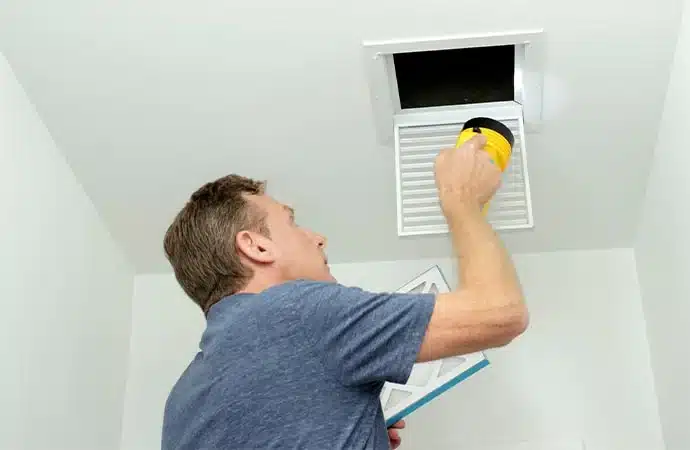
The most important best practice is full-system cleaning, not vent-by-vent vacuuming. A legitimate service addresses supply ducts, return ducts, trunk lines, air handler components, and accessible coils. Proper containment and negative pressure protect your living space during cleaning. When comparing options, look for:
- Source removal methods: HEPA-filtered negative air machines rated for 2,000 – 5,000 CFM paired with mechanical agitation.
- Access panel installation: Code-compliant openings sealed with mastic, not duct tape.
- Before-and-after photo documentation: Proof that trunk lines and branch ducts were actually cleaned.
- Clear scope of work: Written breakdown including returns, supplies, air handler, and optional sanitizing.
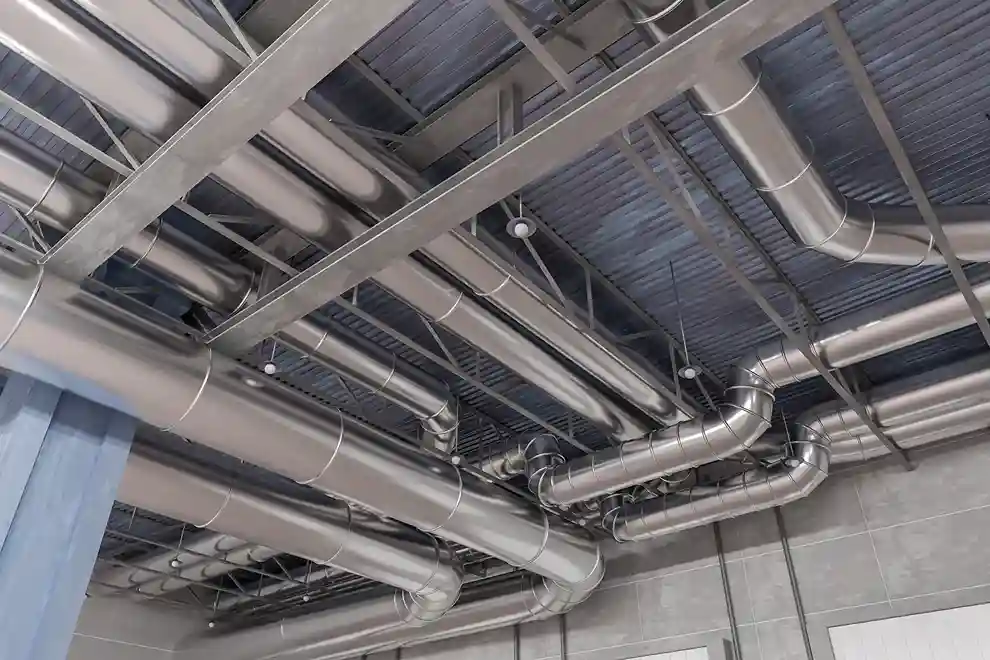
Questions to Ask and Realistic 2026 Cost Ranges
Understanding the process helps you evaluate cost accurately. A thorough residential duct cleaning typically includes:
- System inspection and airflow assessment
- Negative pressure setup with HEPA filtration
- Mechanical agitation of each branch line
- Cleaning of blower compartment and accessible coils
- Final verification and photo documentation
- Do you follow NADCA ACR standards?
- Is the entire HVAC system included?
- Will you provide photo verification?
- Are sanitizers EPA-registered for HVAC use?
Make an Informed Decision Before You Commit
Choosing based on the lowest advertised price often leads to incomplete cleaning or unexpected add-ons. A detailed inspection and transparent scope protect your HVAC system, your indoor air quality, and your budget. If you’re evaluating air duct cleaning cost in Kissimmee, FL (2026), we can review your system, explain what’s actually needed, and provide a clear proposal with no hidden upgrades. Our team focuses on full-system cleaning aligned with industry standards so you know exactly what you’re paying for before work begins.
FAQs
How much does air duct cleaning typically cost in Kissimmee in 2026?
Most standard single-system homes in Kissimmee may fall between $400 and $900 in 2026. Larger properties, homes with multiple HVAC systems, or houses with heavy debris buildup could exceed that range. The final price depends on total vent count, system accessibility (especially attic ductwork), and whether additional services like coil cleaning or sanitizing are needed. Homes near lakes or wooded areas often accumulate more dust and organic debris, which can increase labor time. Always request a written scope of work so you understand whether the air handler, return ducts, and trunk lines are included, not just the visible vents.
Why do some companies advertise very low duct cleaning specials?
Ultra-low promotions often cover only a minimal portion of the system, such as a limited number of vents. Once technicians arrive, additional charges for main trunk lines, returns, or the air handler are added. In many cases, the advertised price does not include negative pressure equipment or mechanical agitation tools required under NADCA standards. Without full-system cleaning, debris remains in trunk lines and recirculates. In Kissimmee, humidity can worsen the situation by allowing moisture to combine with dust, creating buildup that requires proper source removal methods – not a basic vacuum at the register.
What factors affect air duct cleaning cost the most?
Three primary factors influence pricing: site complexity, material costs, and total scope of work. Site complexity includes attic accessibility, duct layout, and system size. Material costs may rise if access panels, sealants, or antimicrobial treatments are required. Total scope covers whether you’re cleaning one system or multiple units and whether coils or blower components are included. In Kissimmee, homes with older flex duct or previous renovations may require additional labor. Residential projects may start around $400 and increase depending on these variables. These figures are preliminary benchmarks for informational purposes only and do not constitute a binding quote. An on-site evaluation is required for a final proposal.
Can homeowners clean air ducts themselves?
Homeowners can remove vent covers and vacuum visible dust, which helps with surface debris. However, full duct cleaning requires negative air machines, agitation tools, and proper containment to prevent dust from spreading through the home. Without sealing and depressurizing the system, loosened debris can circulate into living areas. Accessing attic trunk lines also presents safety concerns. Professional equipment rated in thousands of CFM ensures debris travels toward the vacuum source instead of into your home. For light maintenance, changing filters regularly is effective. For deep cleaning or suspected contamination, professional service is recommended.
What are signs that ducts need cleaning?
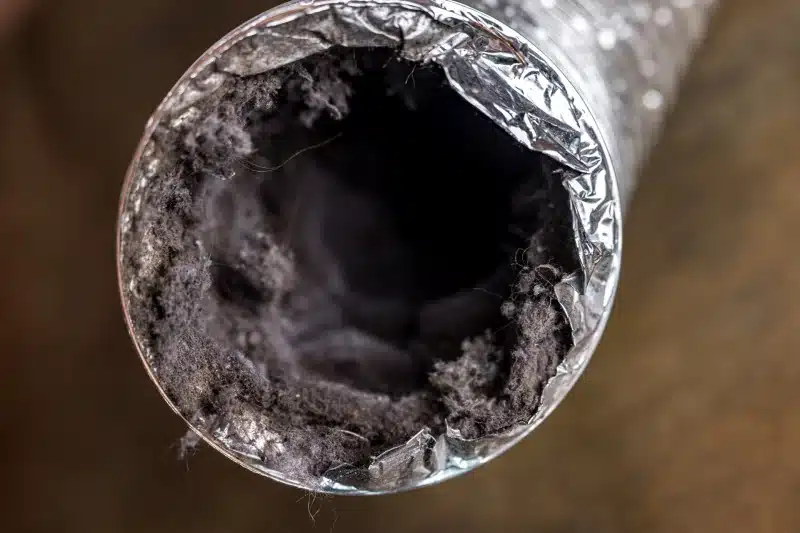
Watch for visible dust blowing from vents, musty odors when the system runs, inconsistent airflow between rooms, or increased allergy symptoms indoors. Excess dust settling quickly after cleaning your home may also indicate buildup in return ducts. In Kissimmee, high humidity can contribute to microbial growth inside duct insulation, especially in older systems. If you remove a vent cover and see matted debris or dark buildup, schedule an inspection. Also pay attention to rising energy bills, as restricted airflow can strain the blower motor and reduce efficiency.
Are there common duct problems specific to Kissimmee?
Yes. Kissimmee’s humidity and frequent air conditioning use create condensation risks inside ductwork, particularly in attics. Poorly sealed return ducts may draw in hot, humid air, increasing moisture levels and promoting microbial growth. We also see deteriorating flex duct insulation in older homes, which reduces energy efficiency. Storm season can introduce debris into attic spaces that eventually enters duct systems through small gaps. Regular inspection helps identify loose connections, crushed ducts, or air leaks that increase cooling costs and reduce indoor comfort.
What should I look for when hiring a duct cleaning company?
Verify that the company follows NADCA ACR standards and uses HEPA-filtered negative air equipment. Ask whether they clean the entire HVAC system, not just vents. Confirm licensing and insurance coverage, especially for attic work. Request before-and-after photo documentation and a written scope outlining exactly what’s included. A reputable provider will ask about square footage, number of systems, and any air quality concerns before quoting. In Kissimmee, familiarity with attic duct layouts and humidity-related issues is especially important for accurate assessment and long-term results.
Is air duct cleaning ever urgent?
Duct cleaning is rarely an emergency, but certain signs require prompt scheduling. If you notice visible mold growth inside ducts, strong musty odors, or debris actively blowing into rooms, arrange an inspection soon. After major renovations, drywall dust can heavily contaminate ducts and should be addressed before running the system extensively. In Kissimmee’s humid climate, delaying inspection when moisture is present may allow microbial growth to spread. While not typically urgent like HVAC failure, addressing contamination early prevents more expensive repairs and indoor air quality issues later.